
Forgotten Life Stories: von Klemperer Family

The Art of the Klemperer Collection

The Klemperer Collection

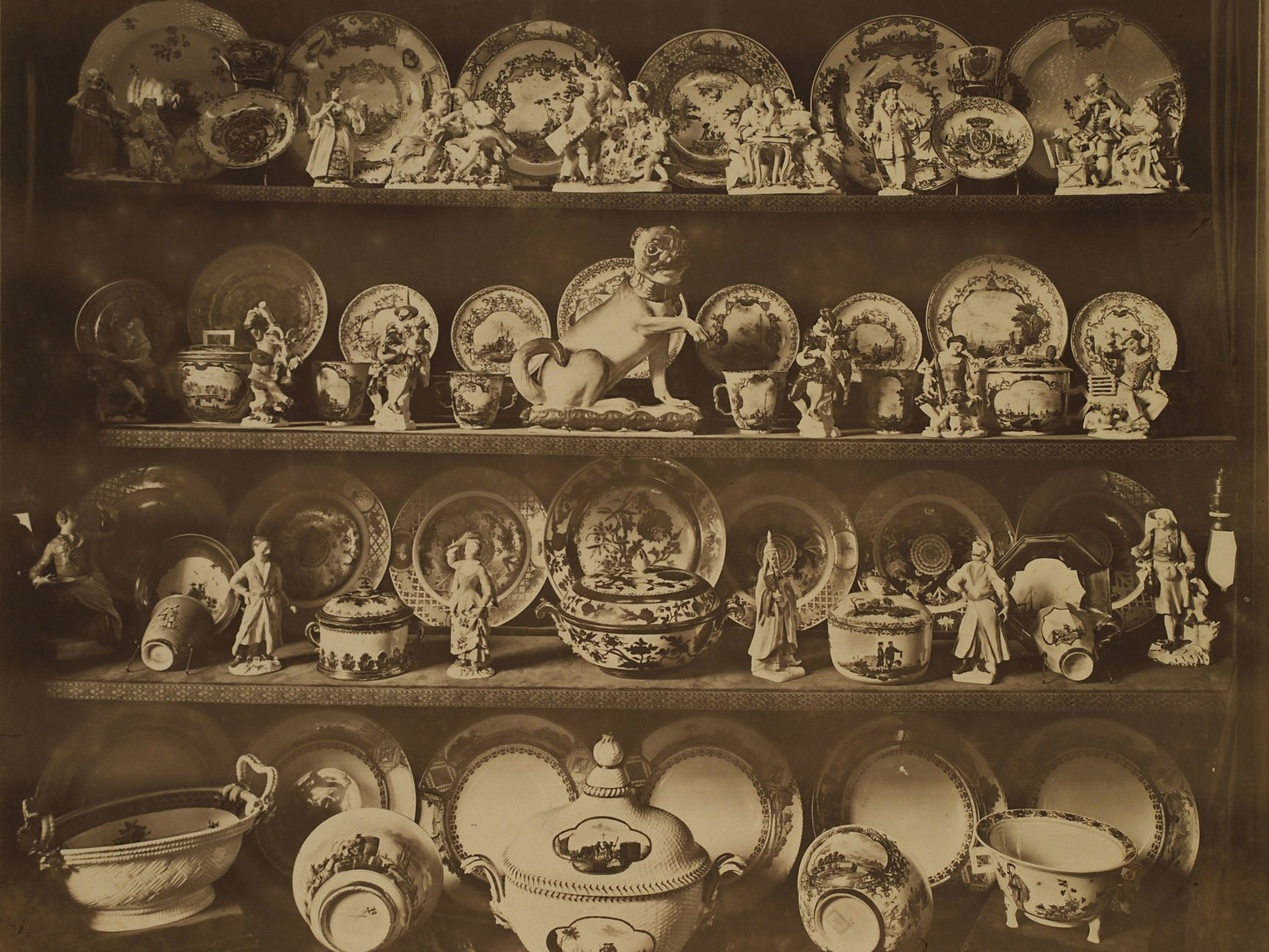
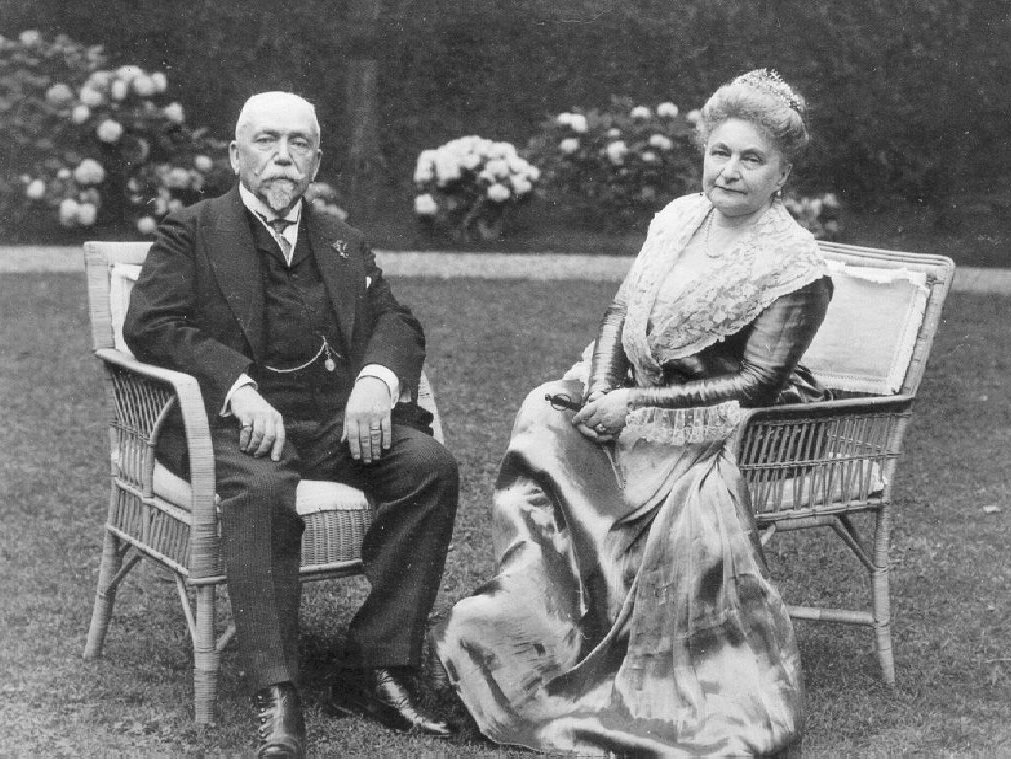
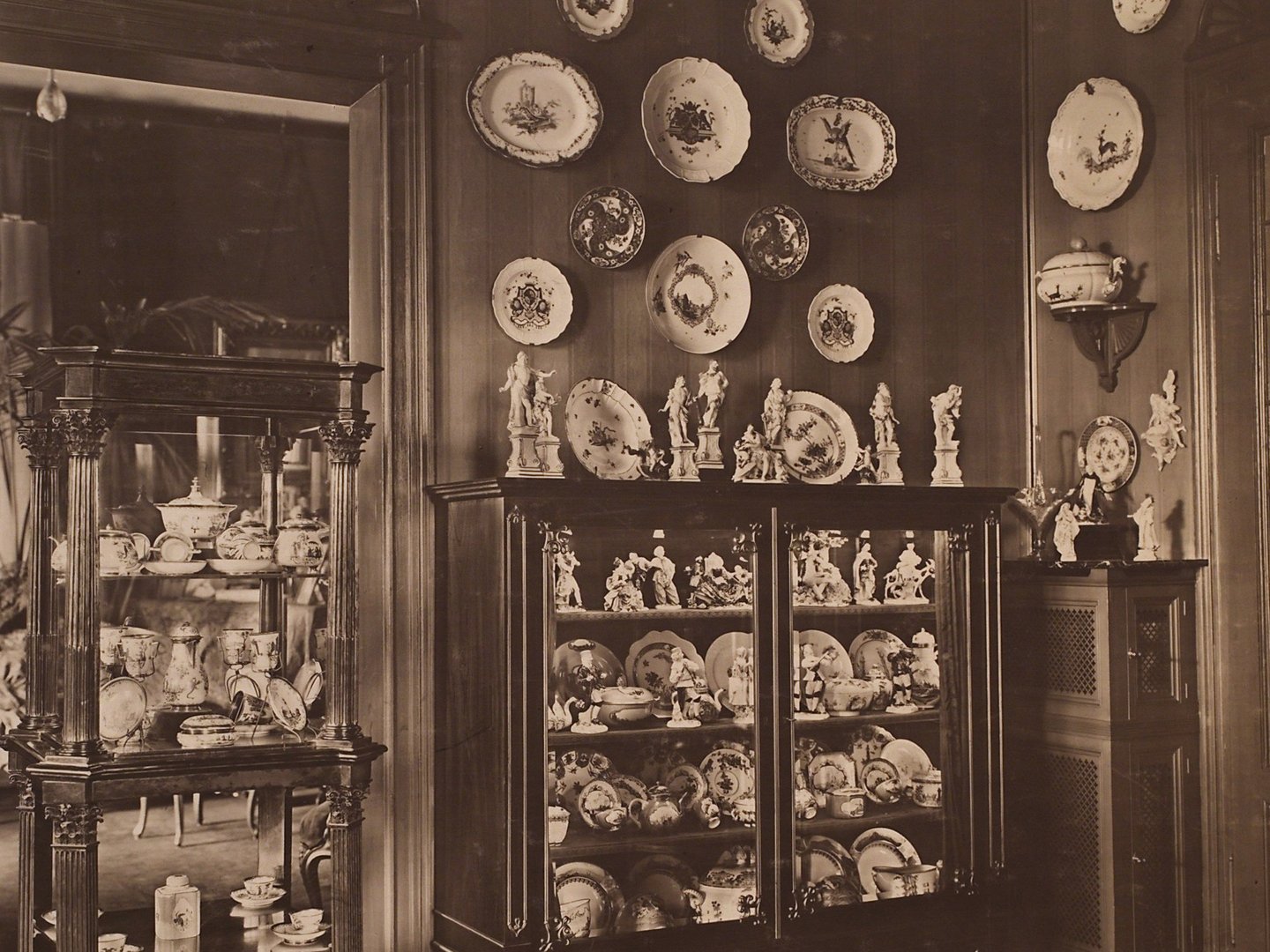
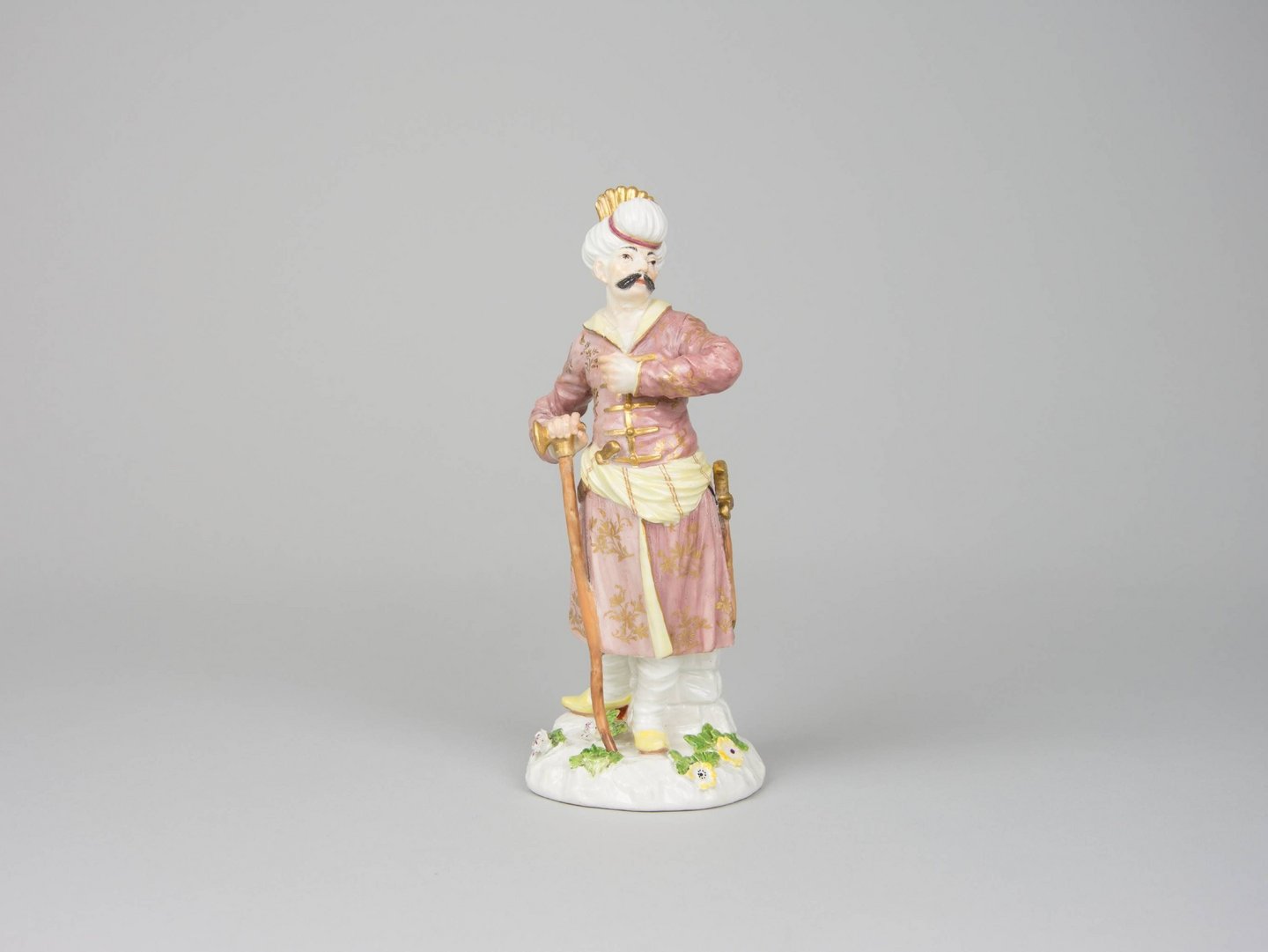
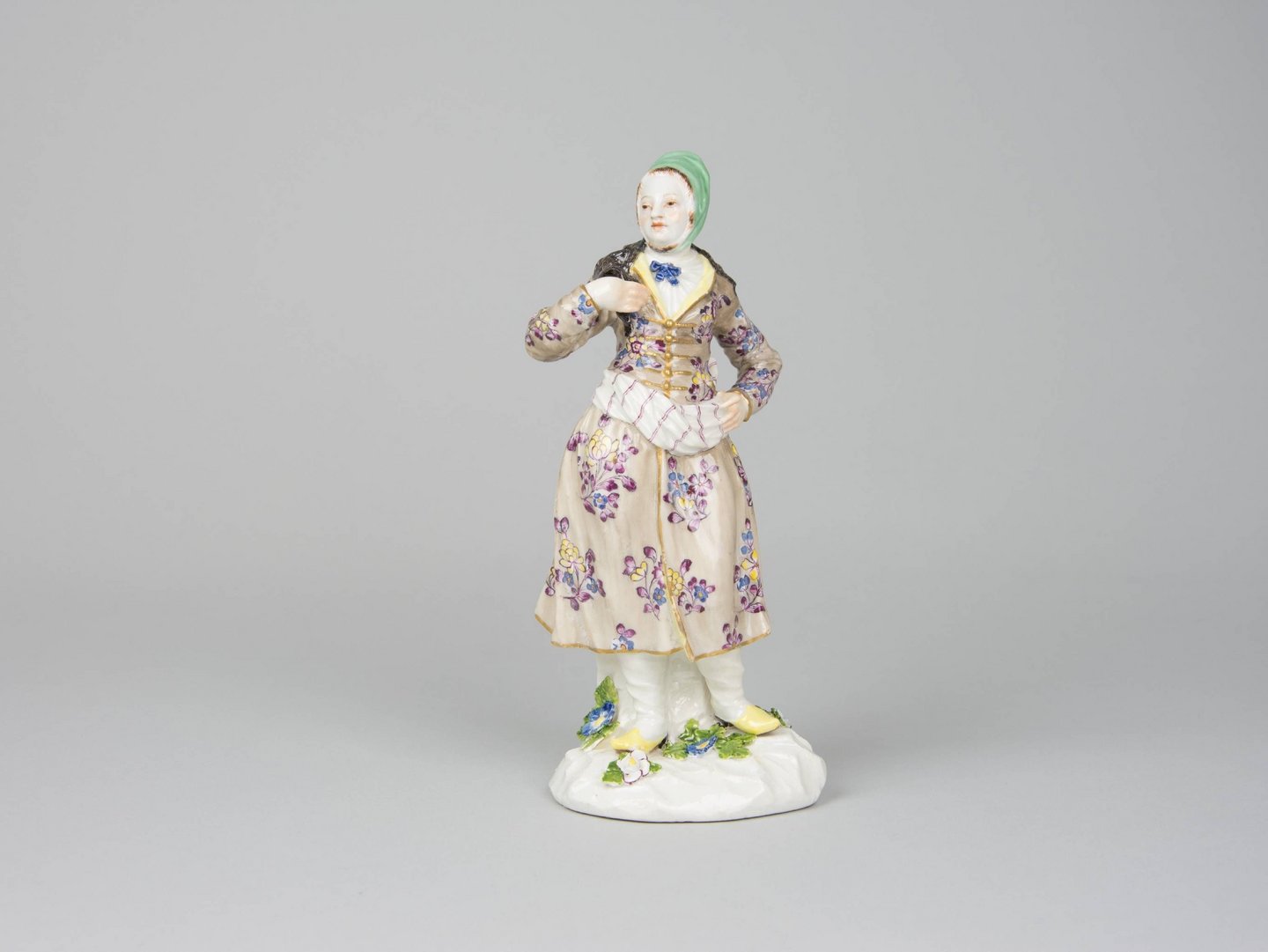
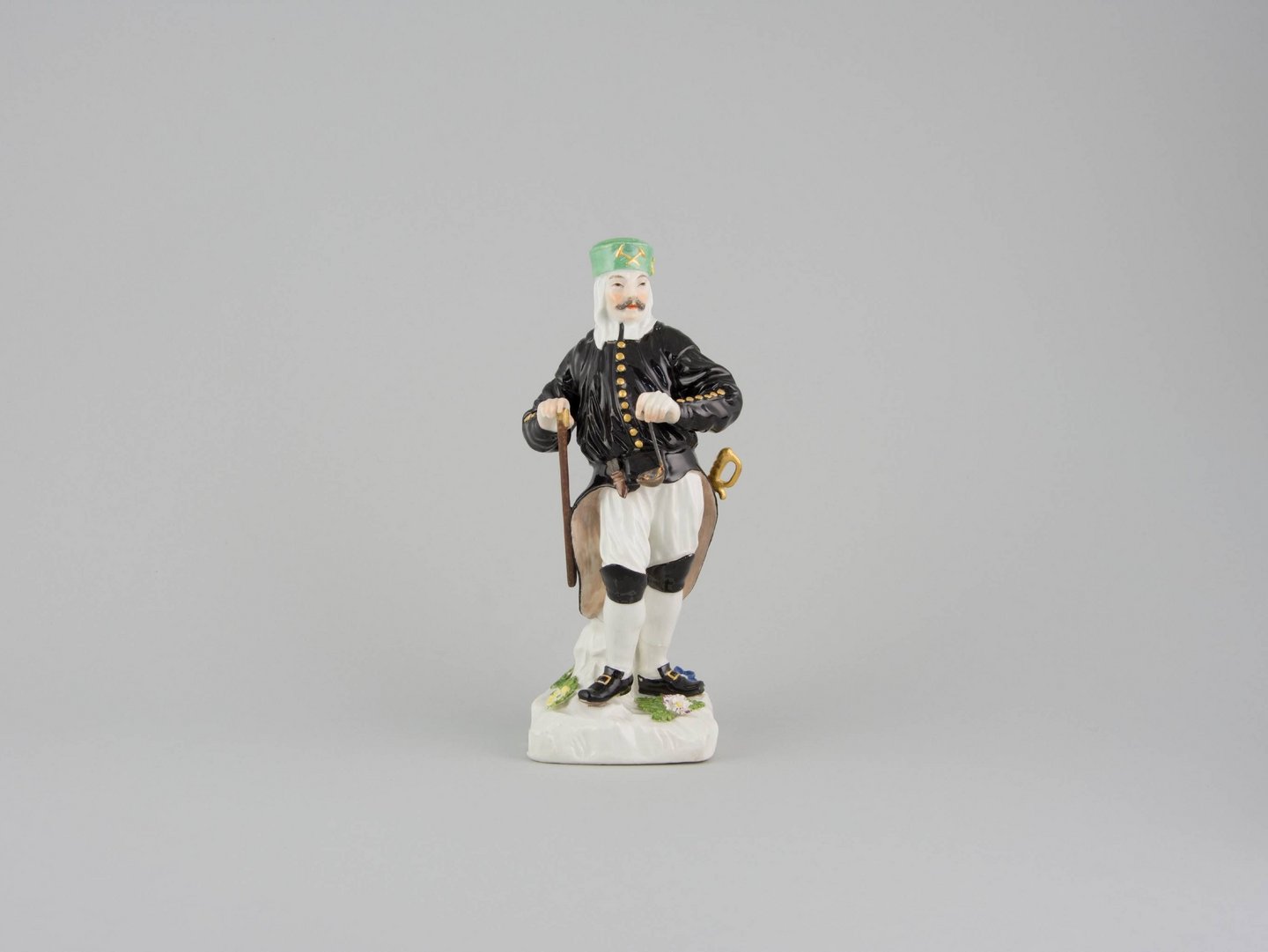
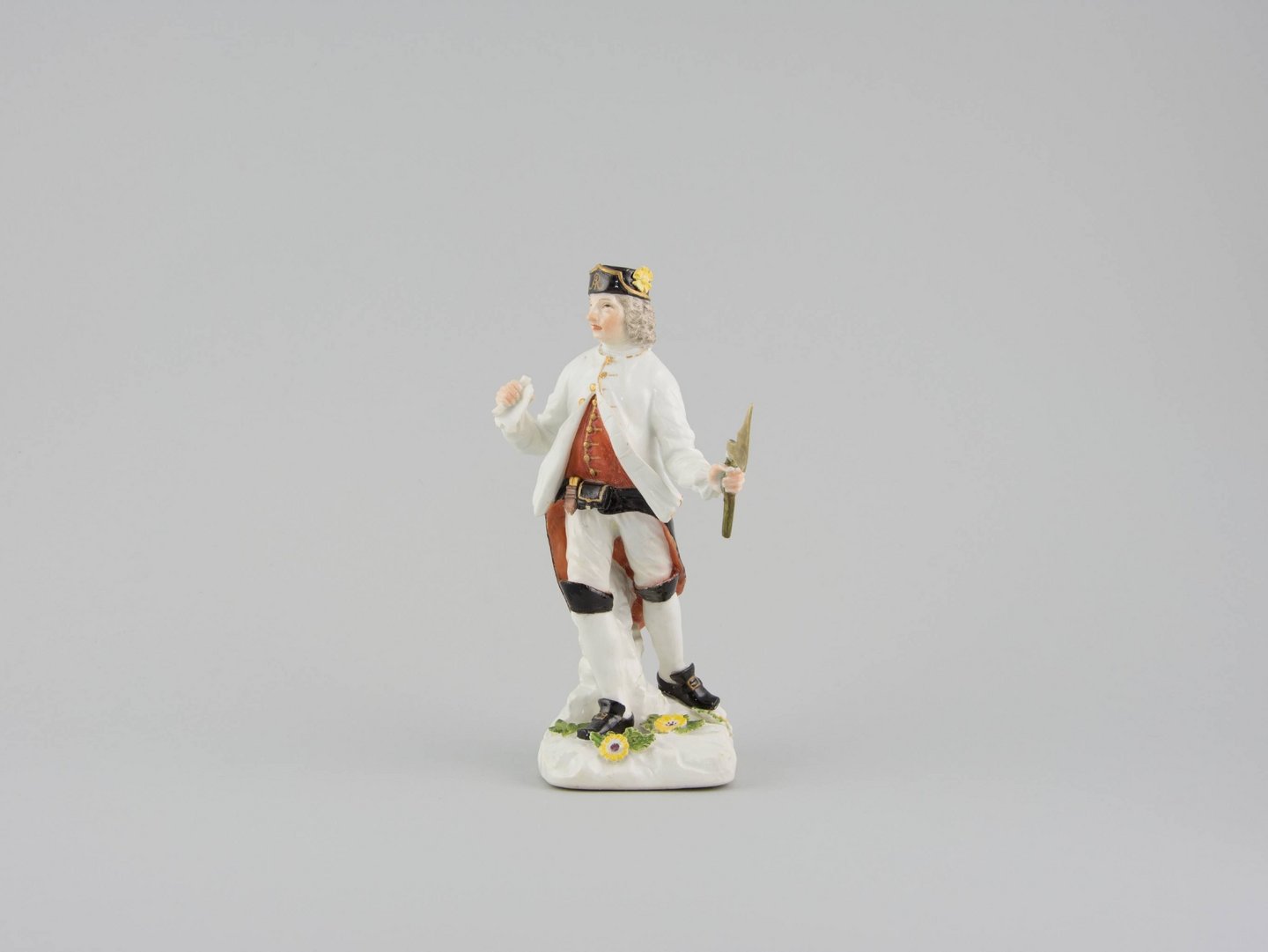
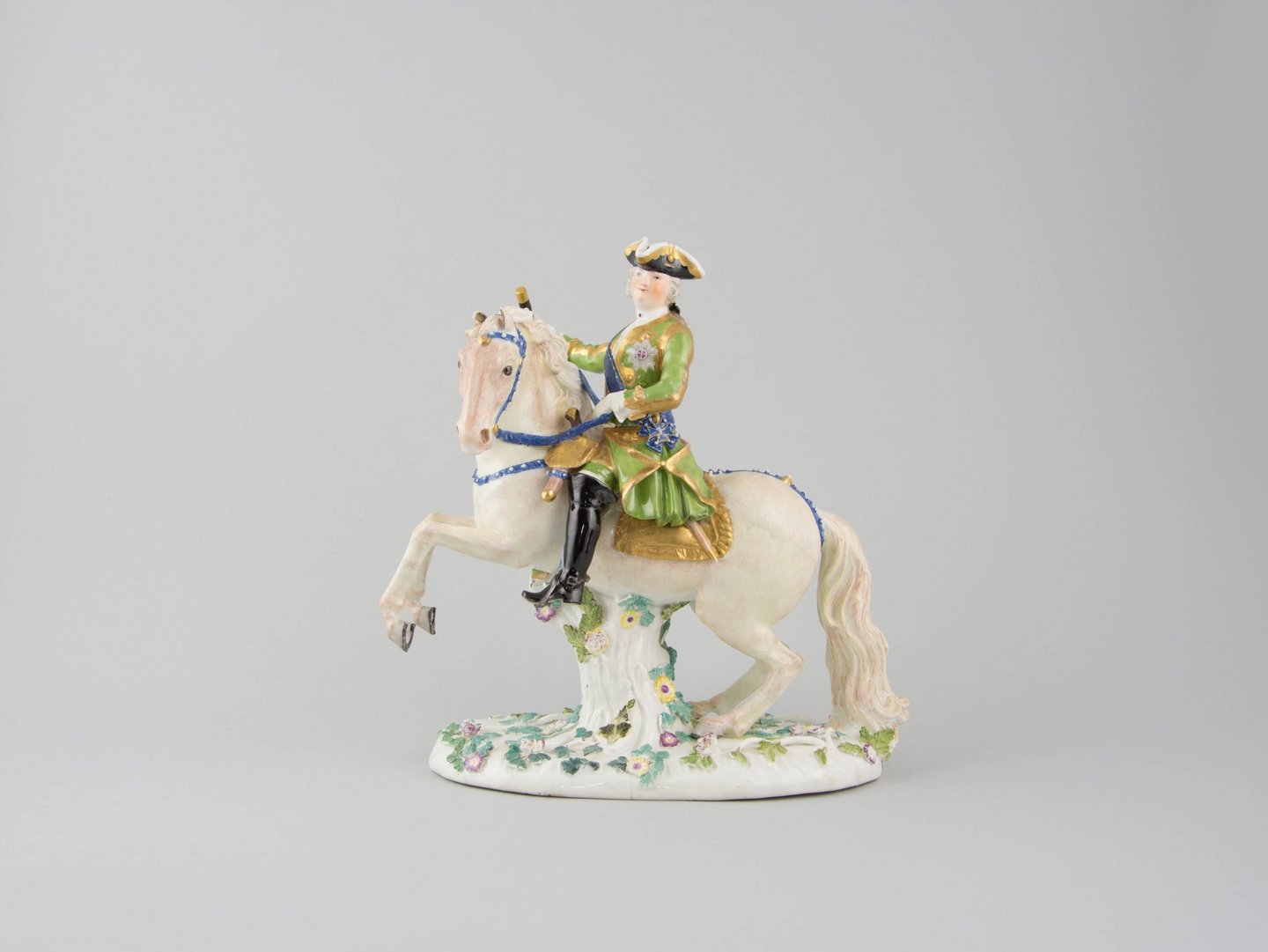
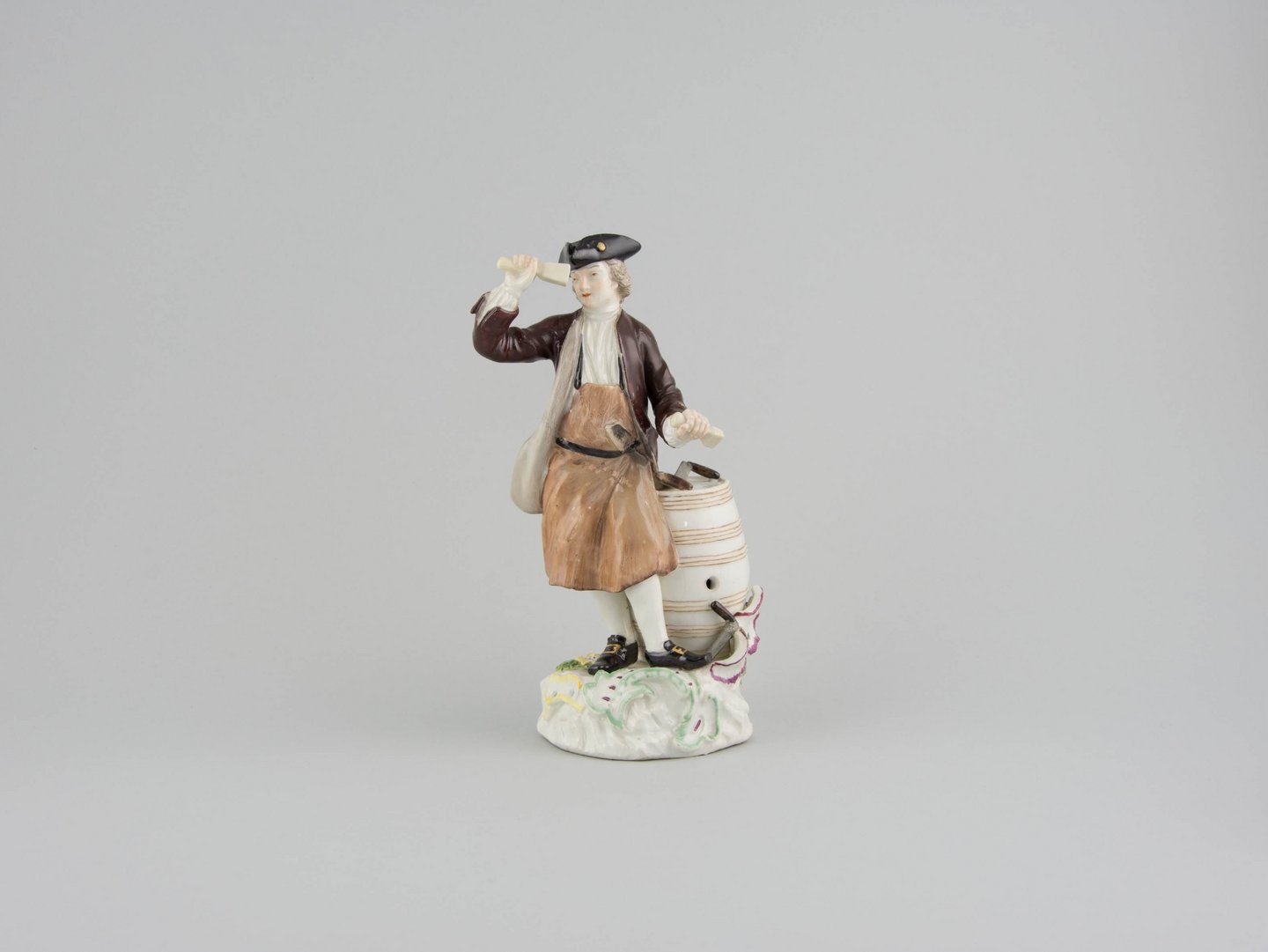
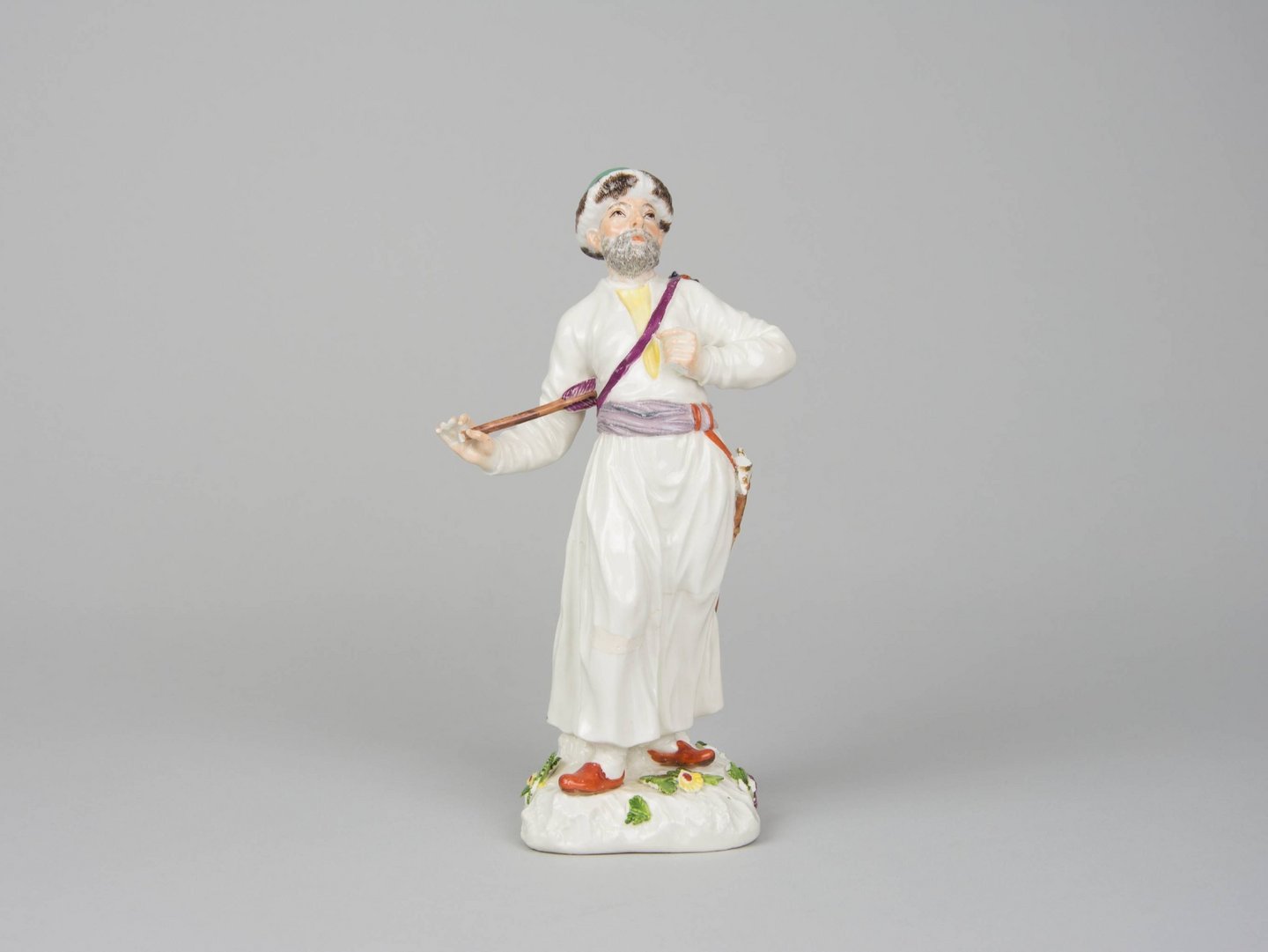
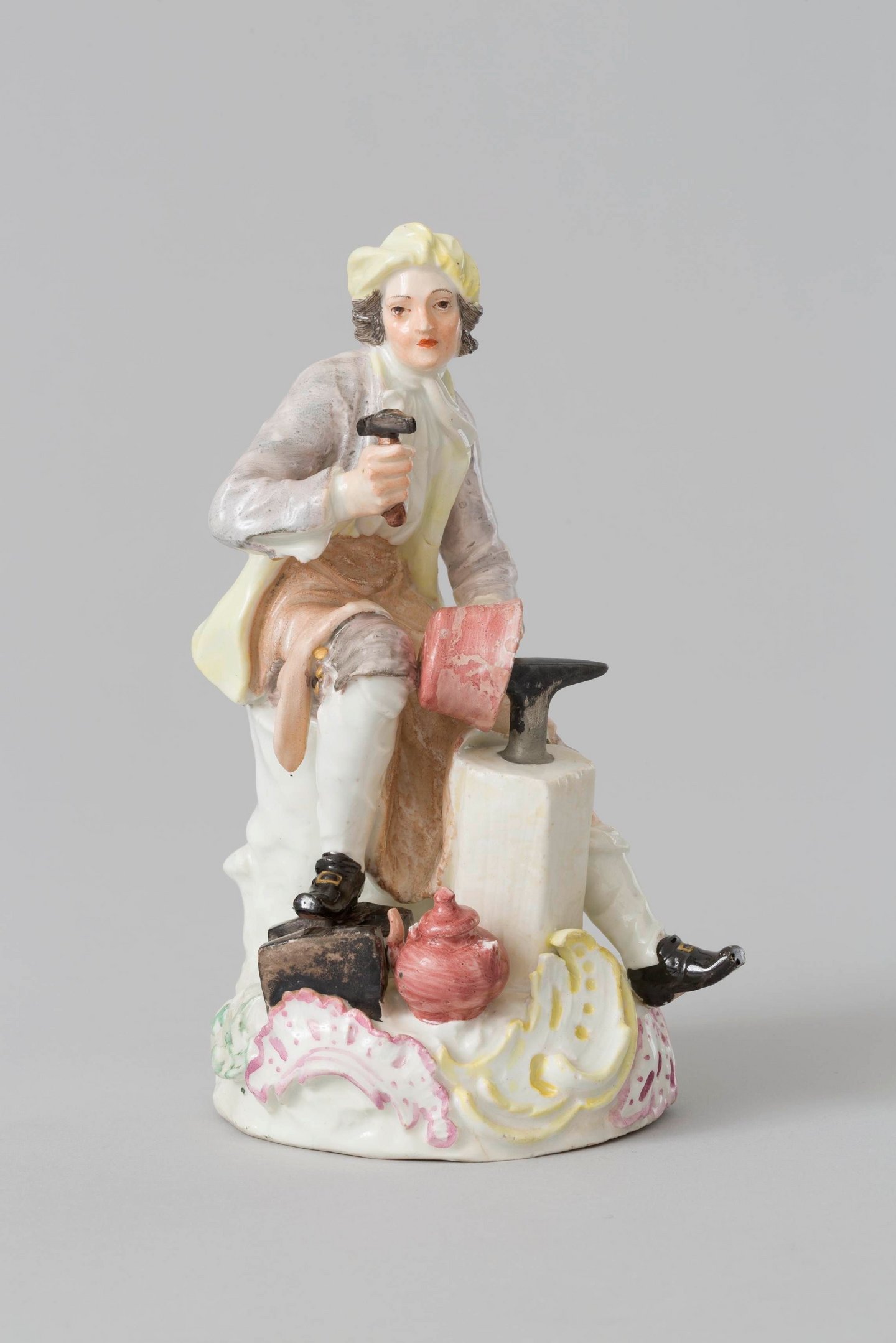
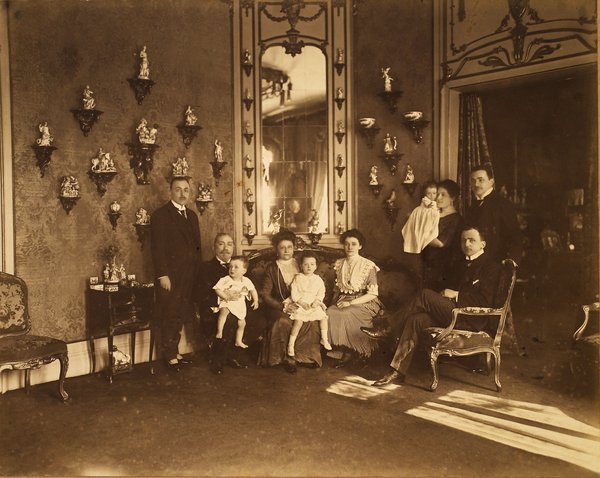
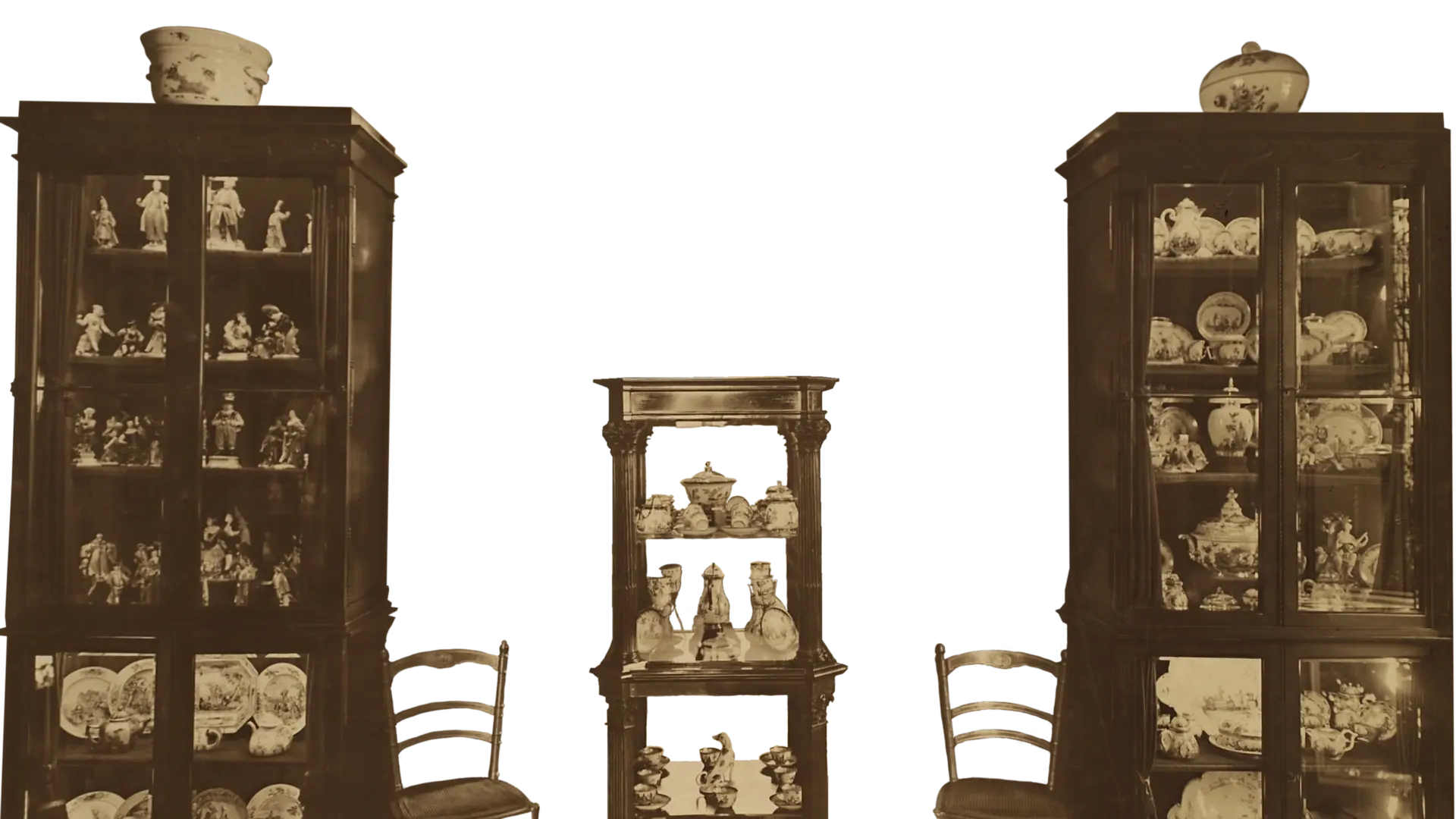
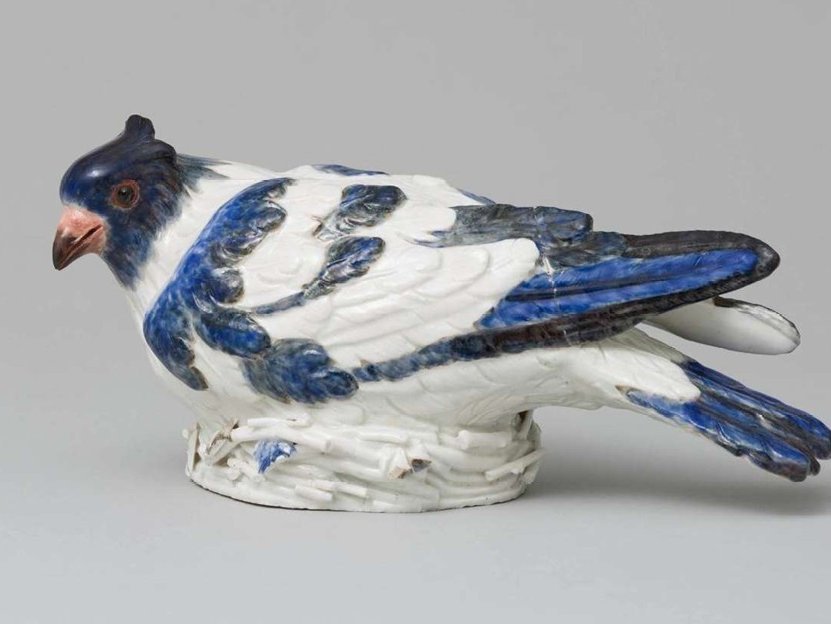
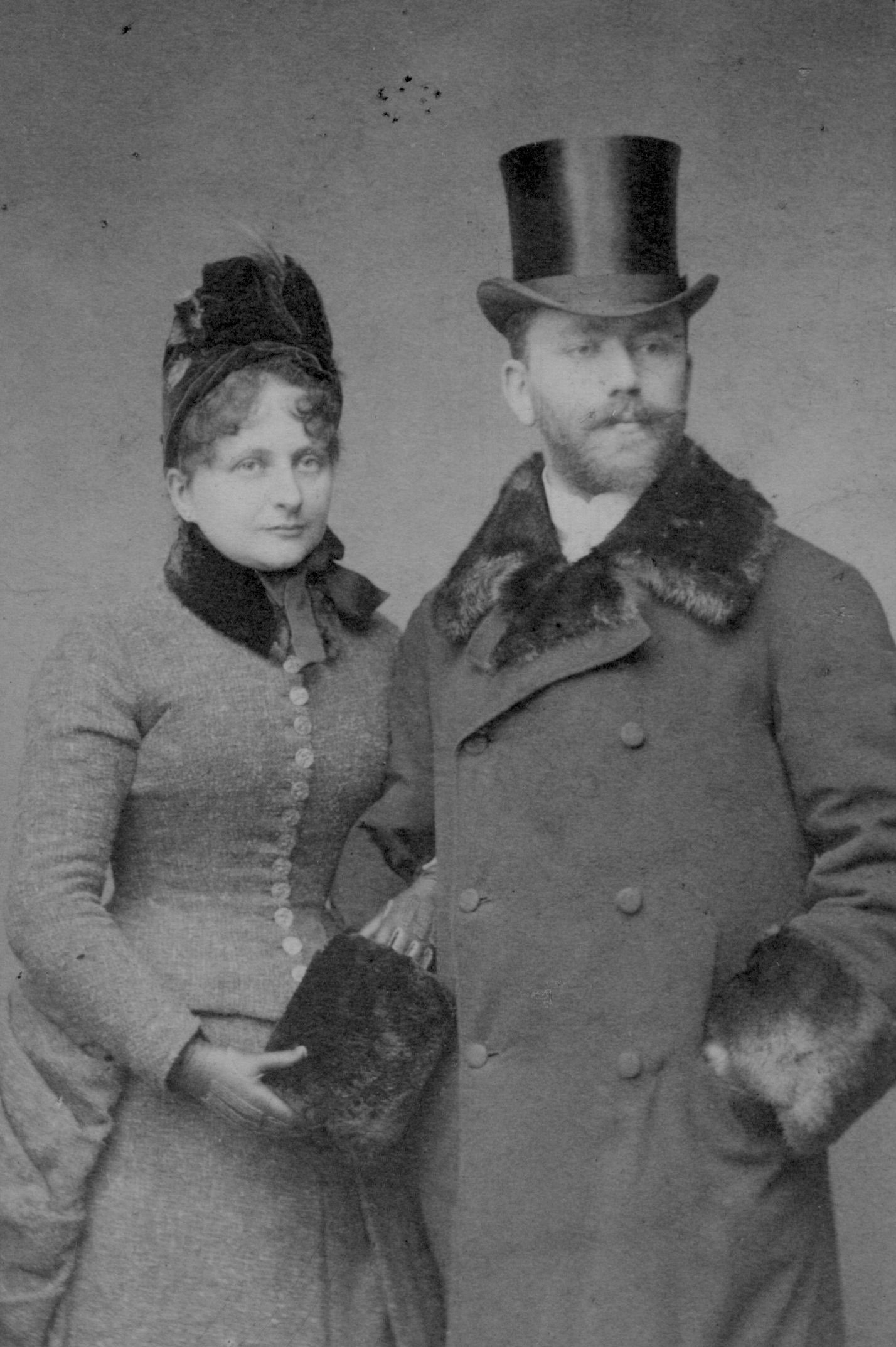
Gustav Klemperer and his wife Charlotte possessed the perhaps largest and most important private collection of 18th century Meissen porcelain in Germany. 

He was the director of the Dresdner Bank and served Austria as honorary consul. For this, Emperor Franz Joseph I. bestowed upon him a royal title. From 1910 on, the von Klemperer Family was called the nobles von Klemenau.

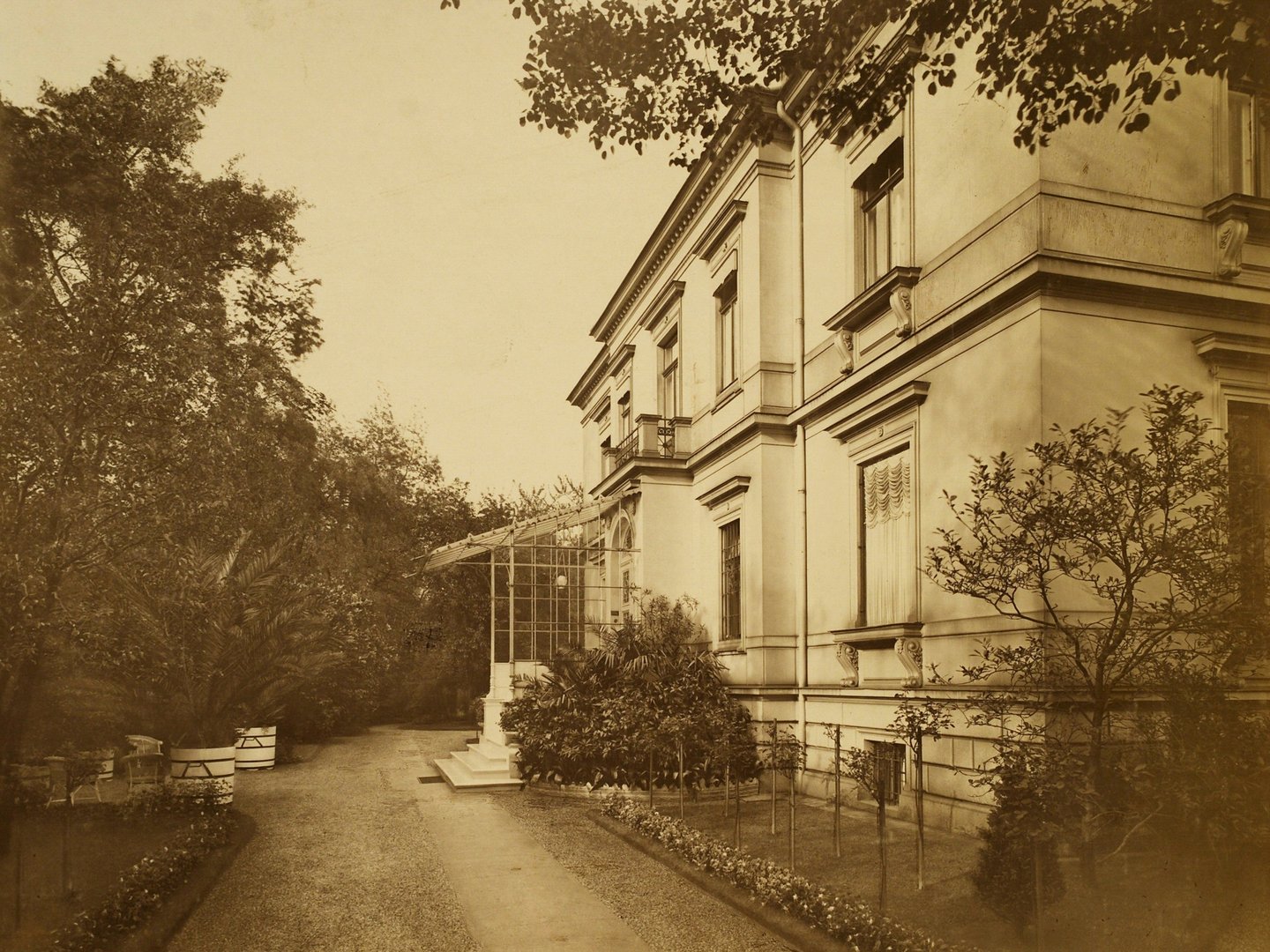
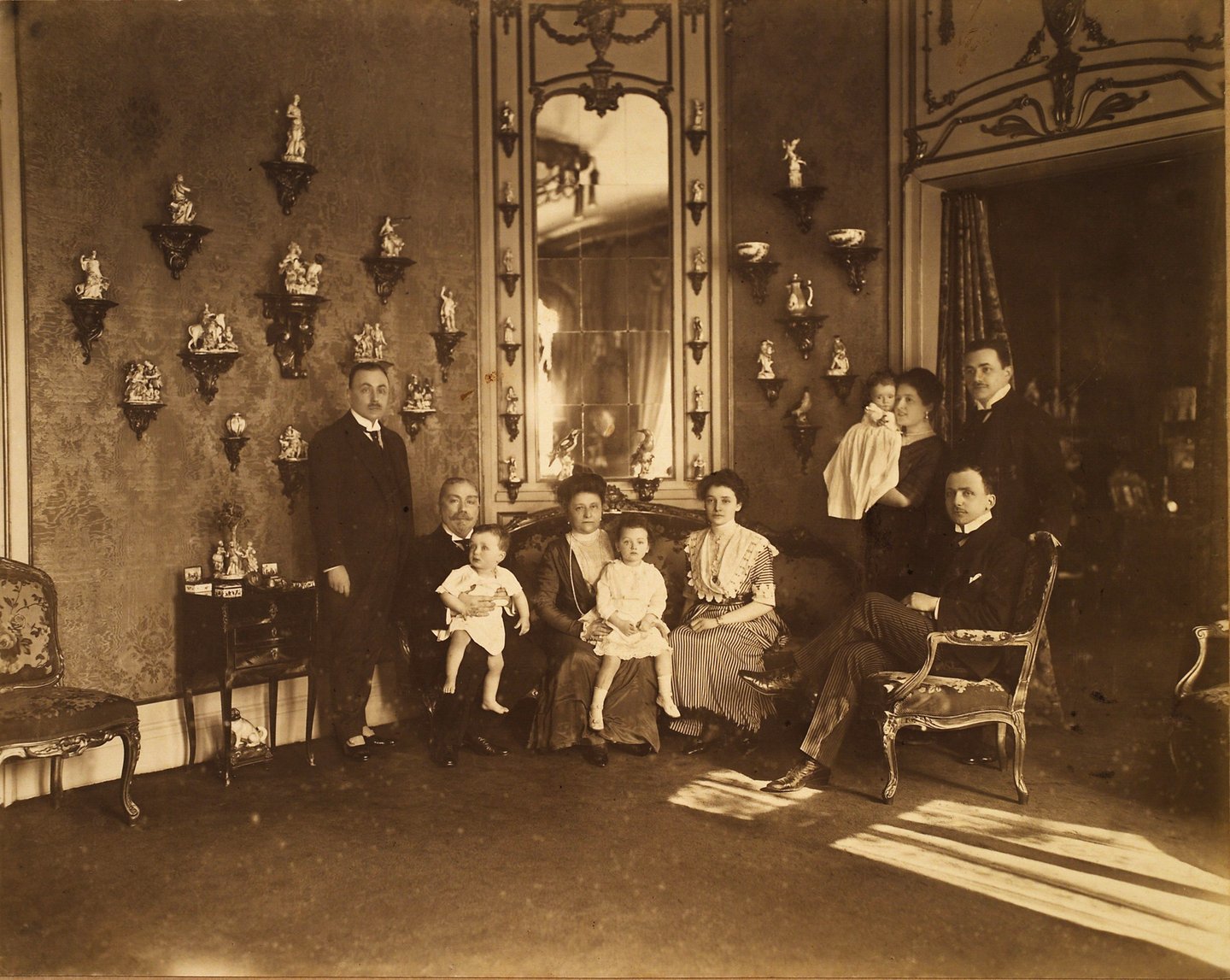
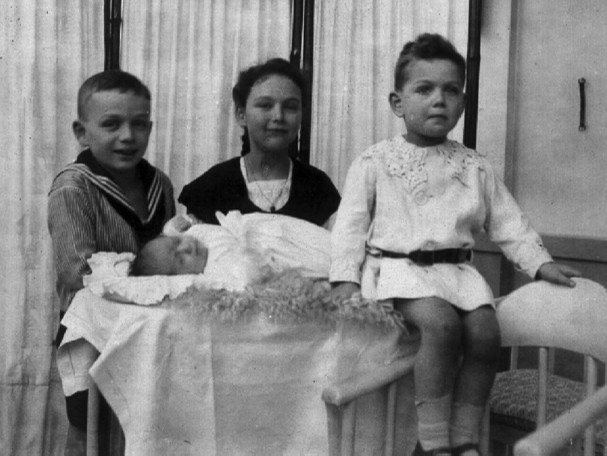
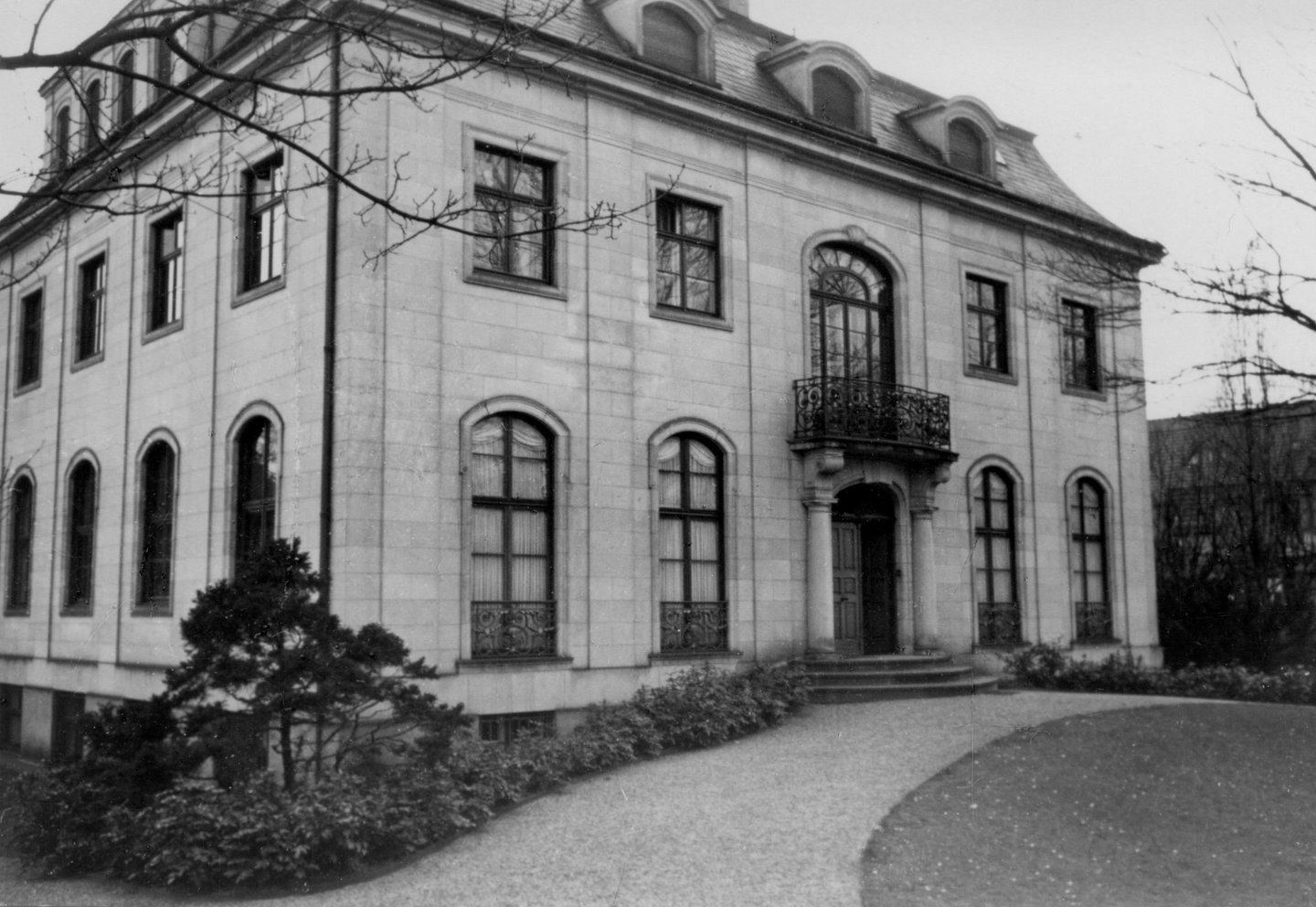
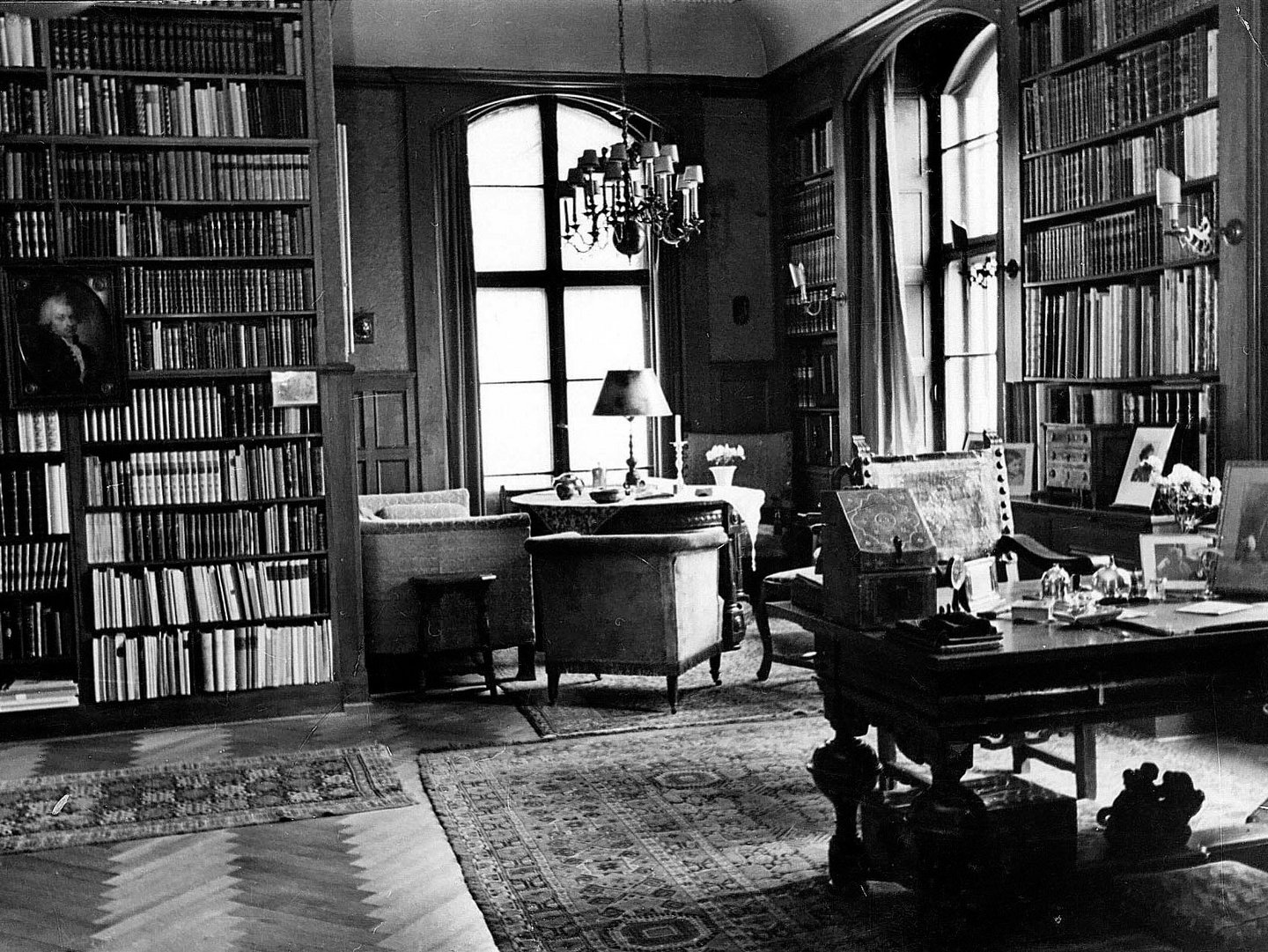
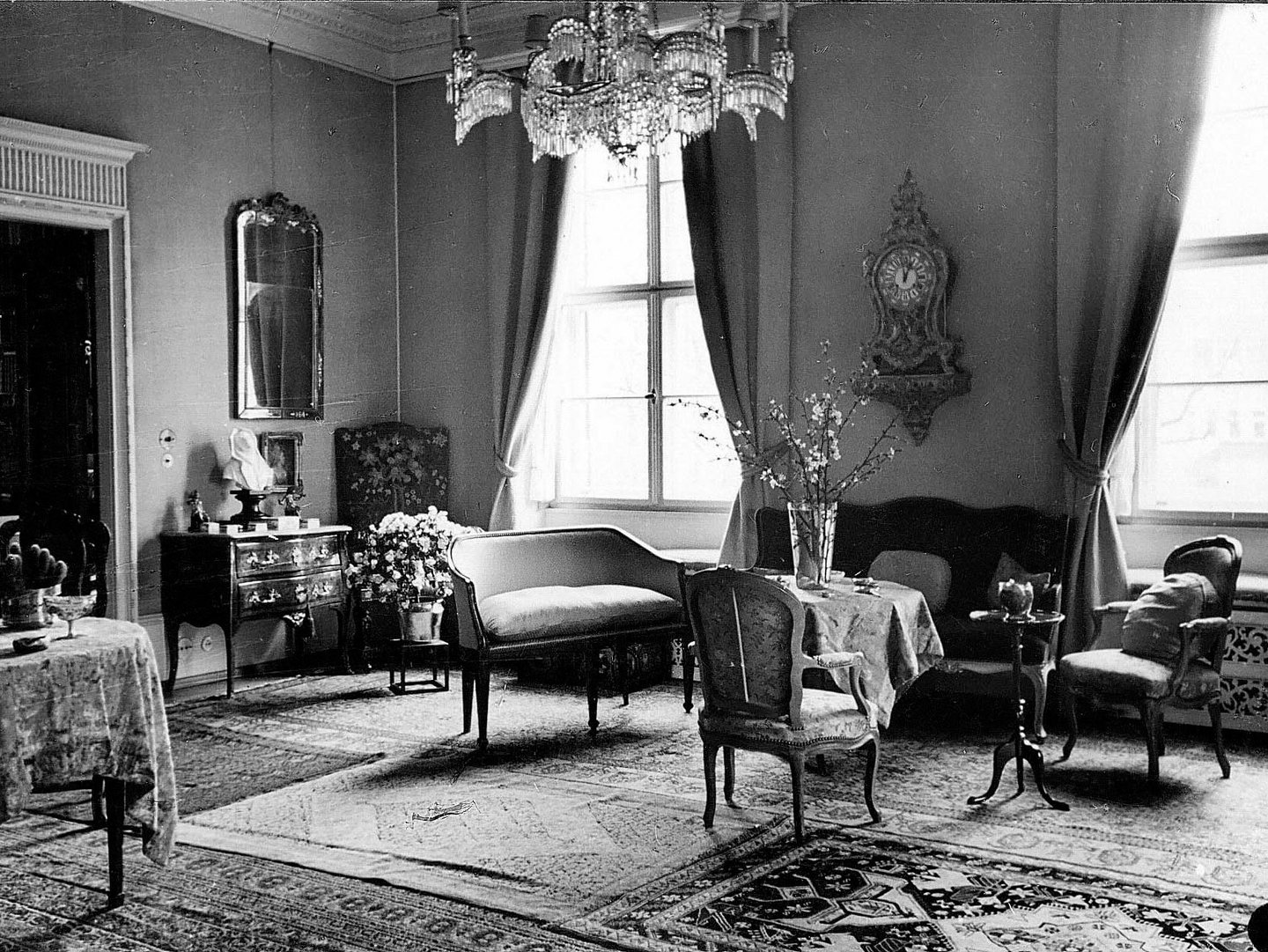
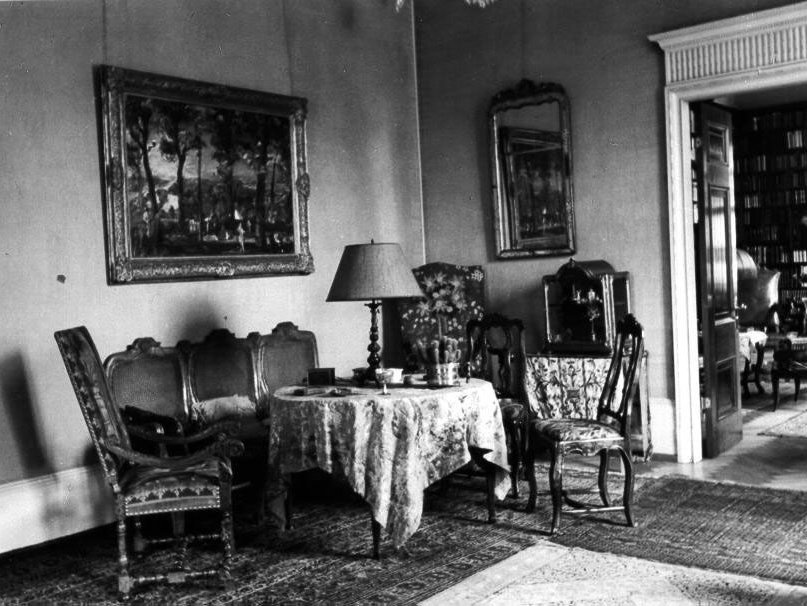
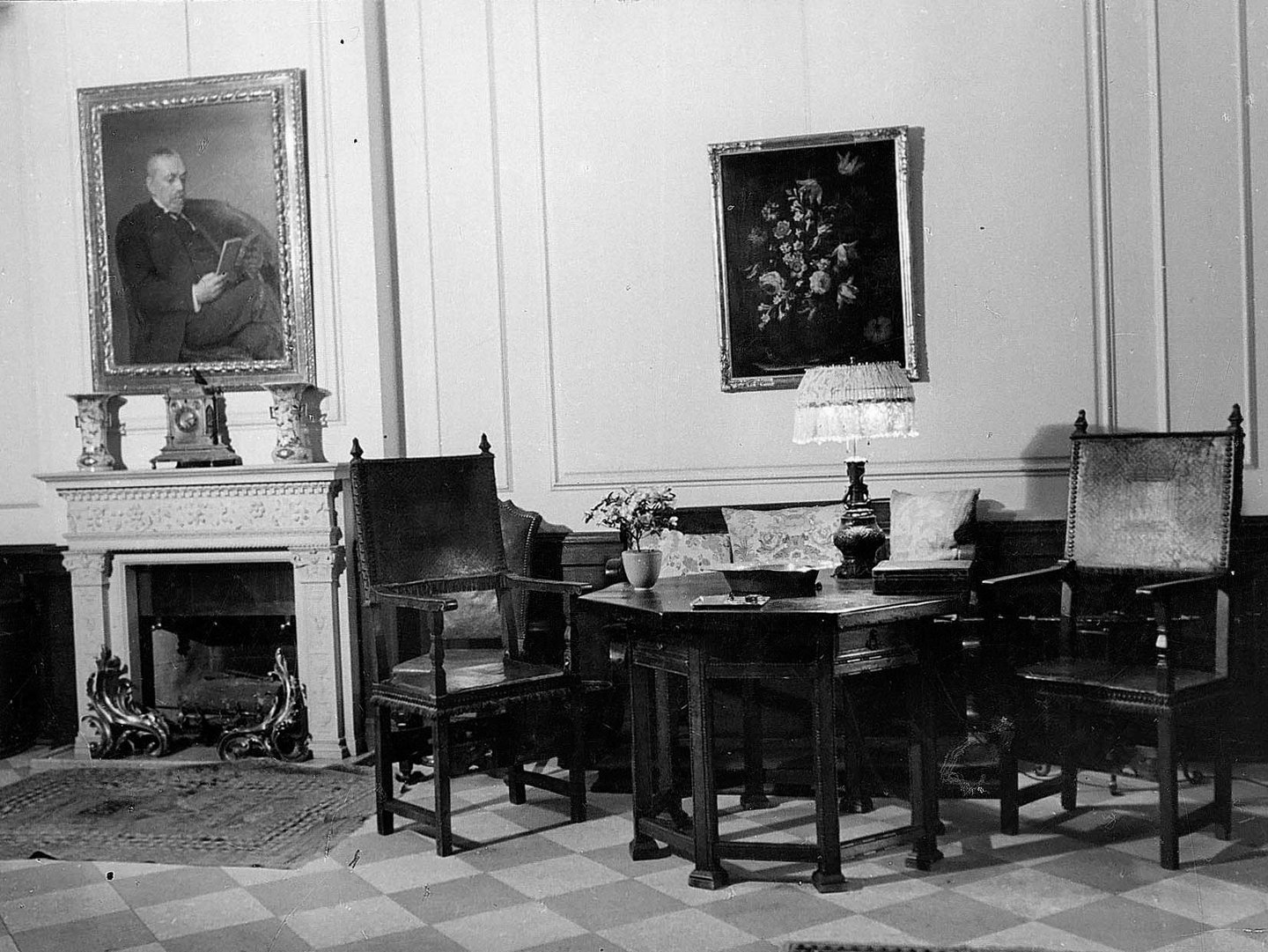
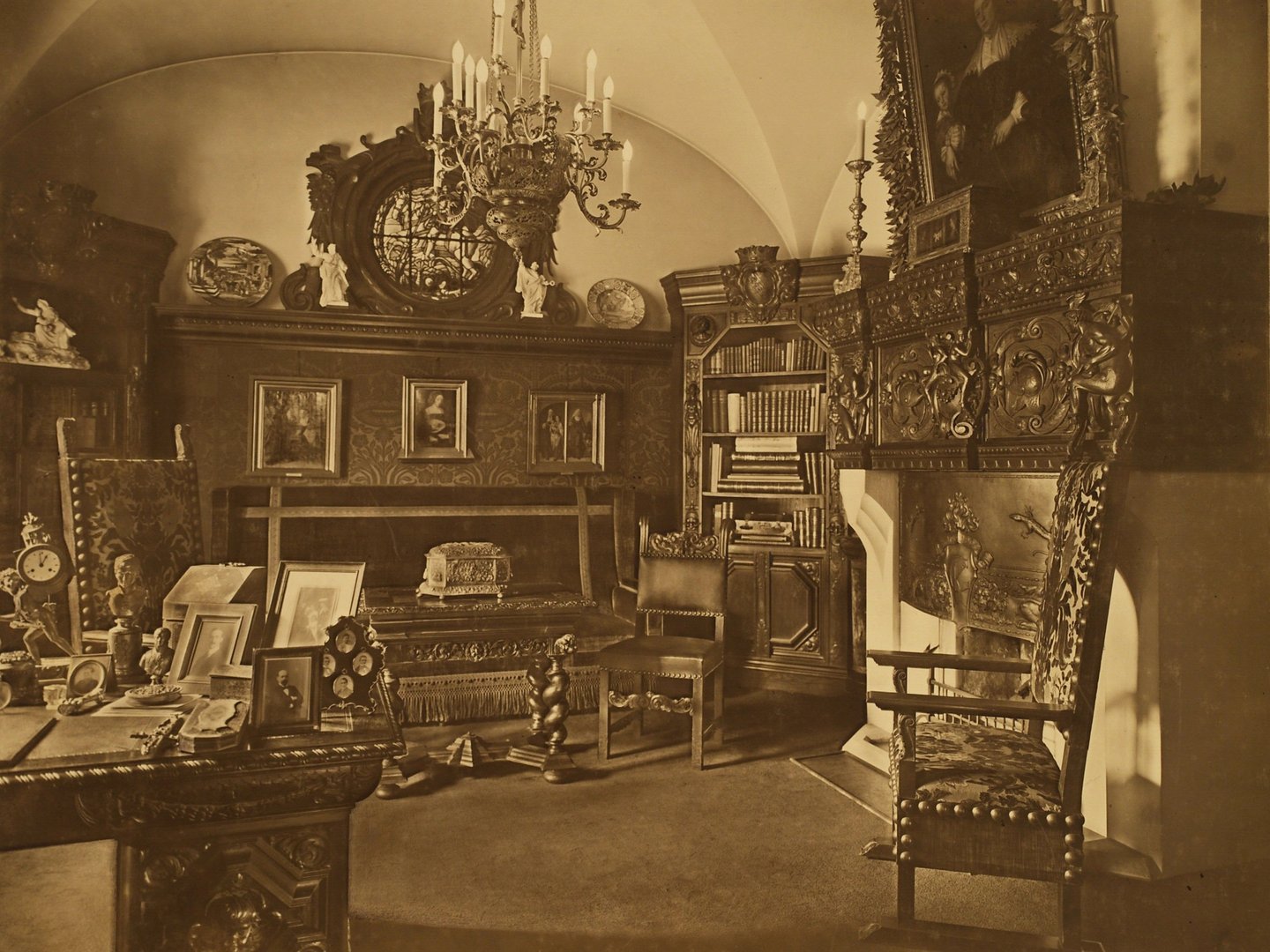
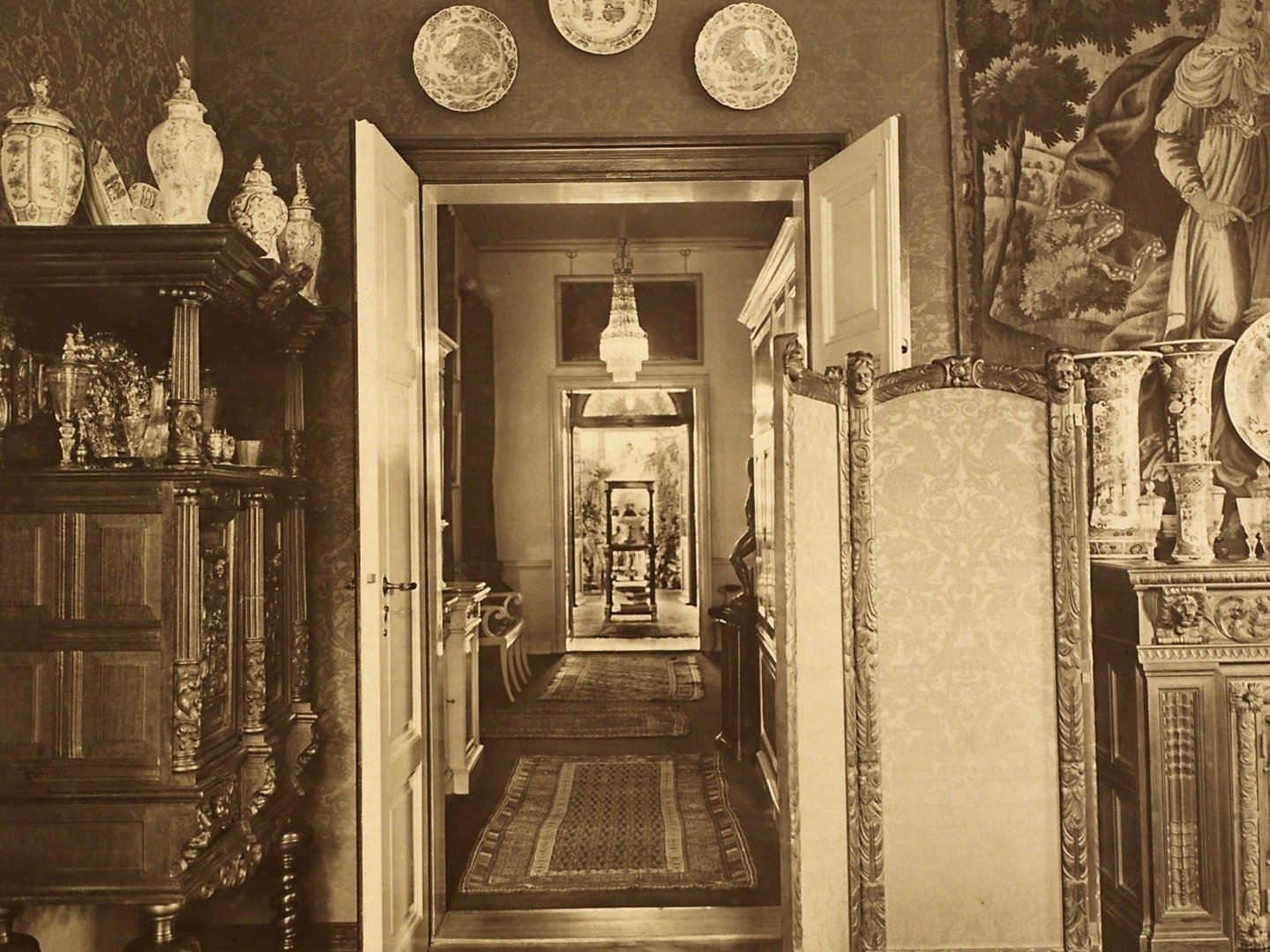
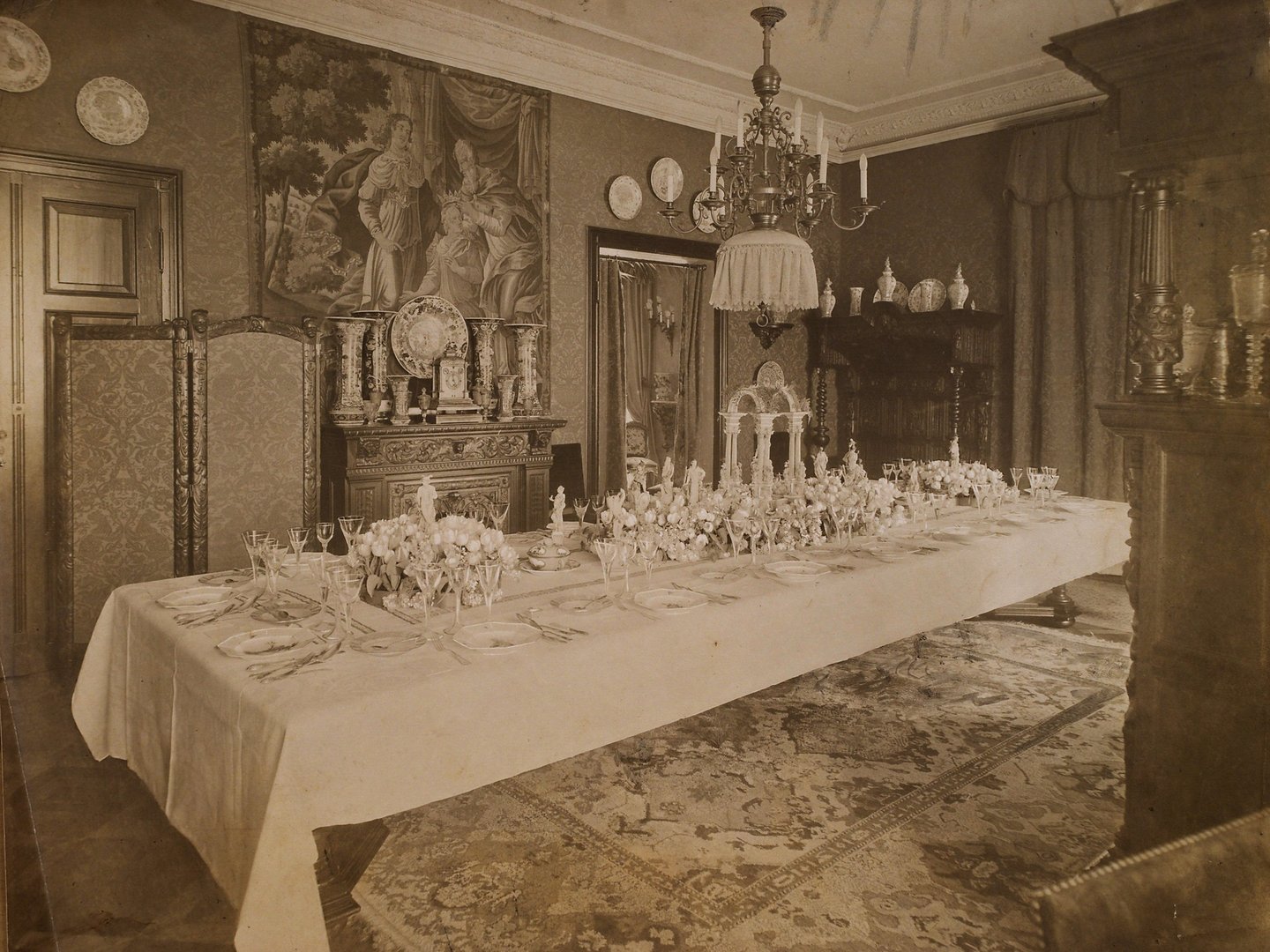
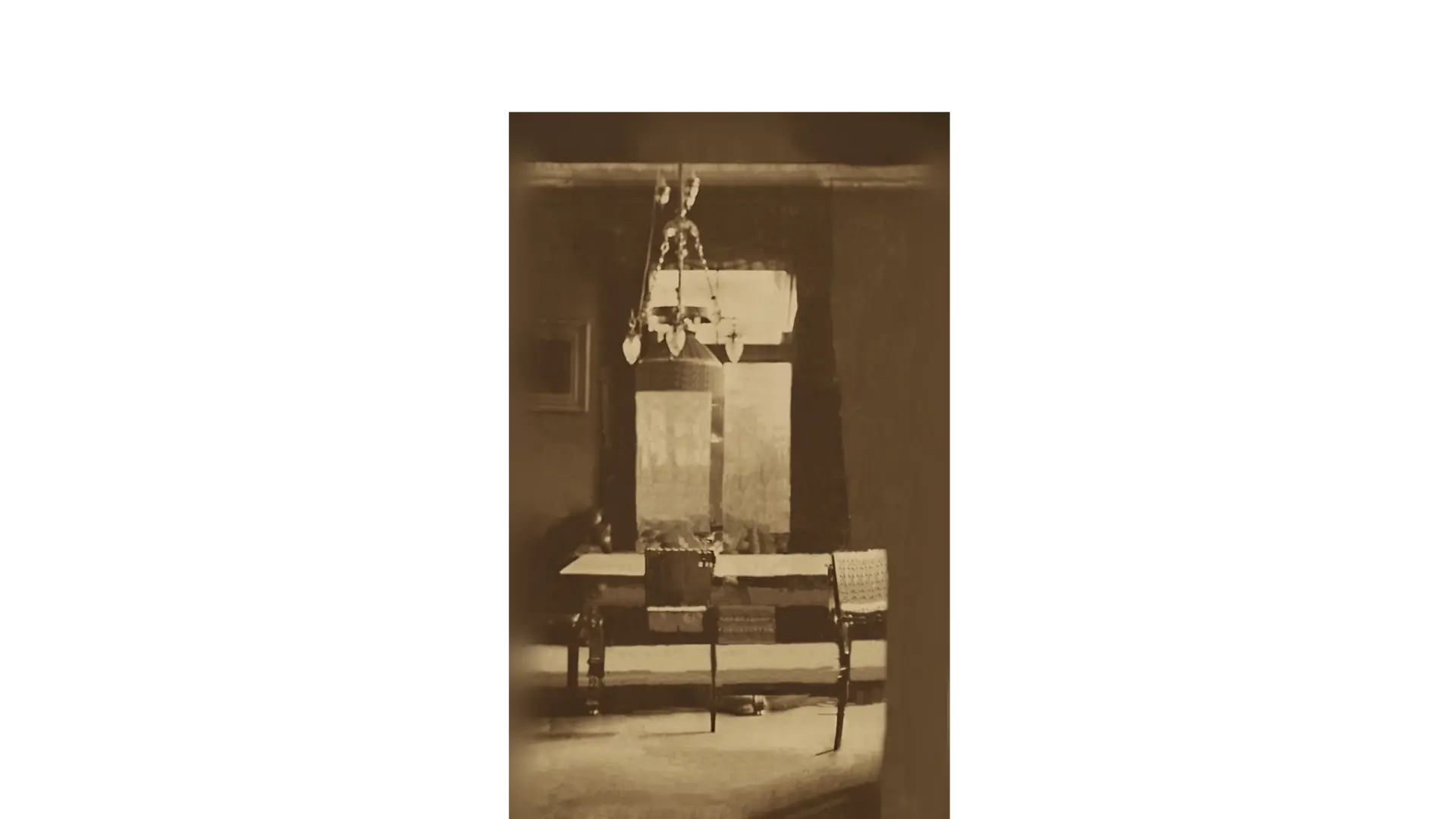
The Klemperers had gotten married in 1875 and lived on Wiener Straße 25, in a mansion near the Großer Garten, with their three sons Victor, Herbert Otto, and Ralph Leopold.

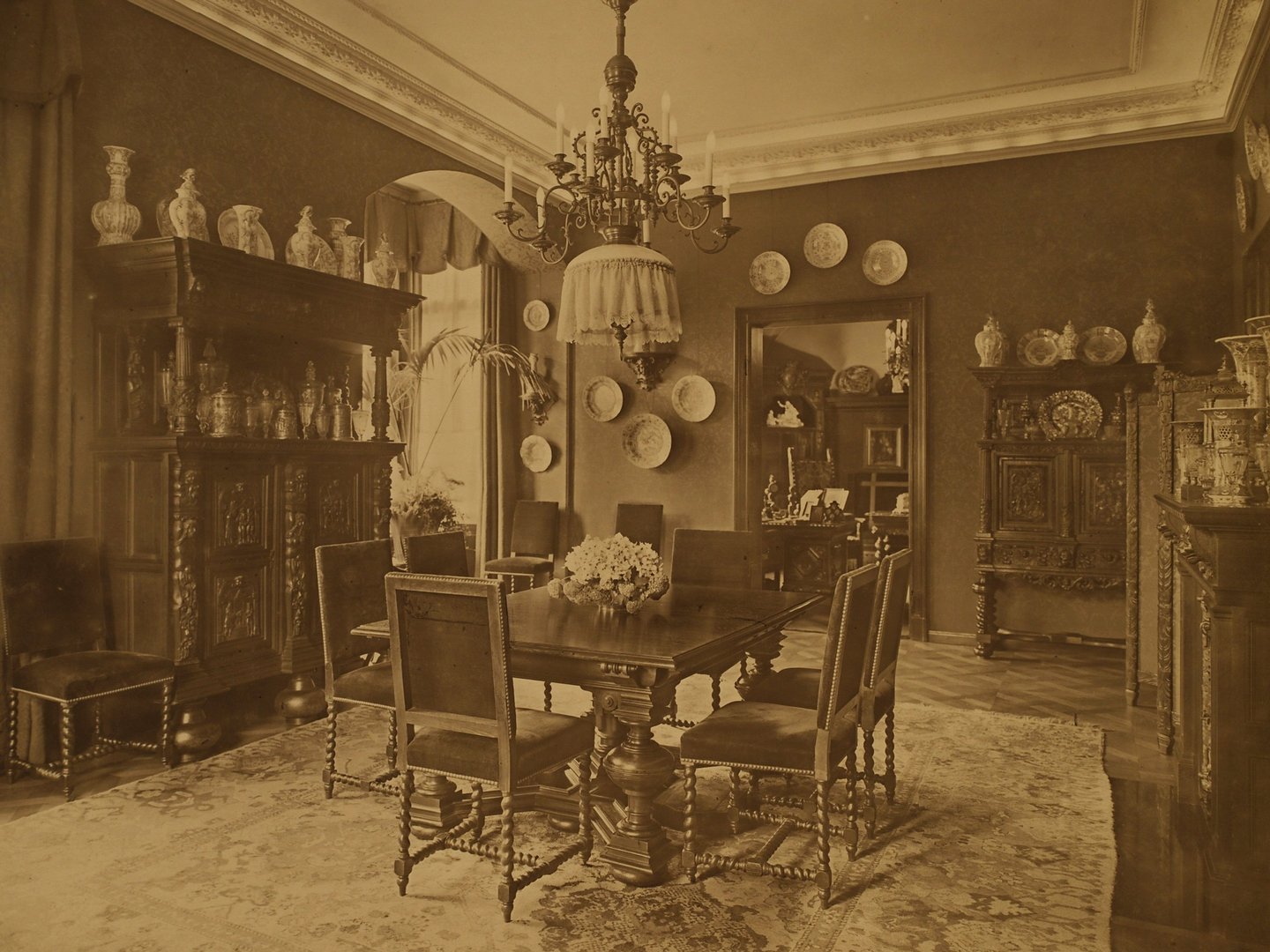
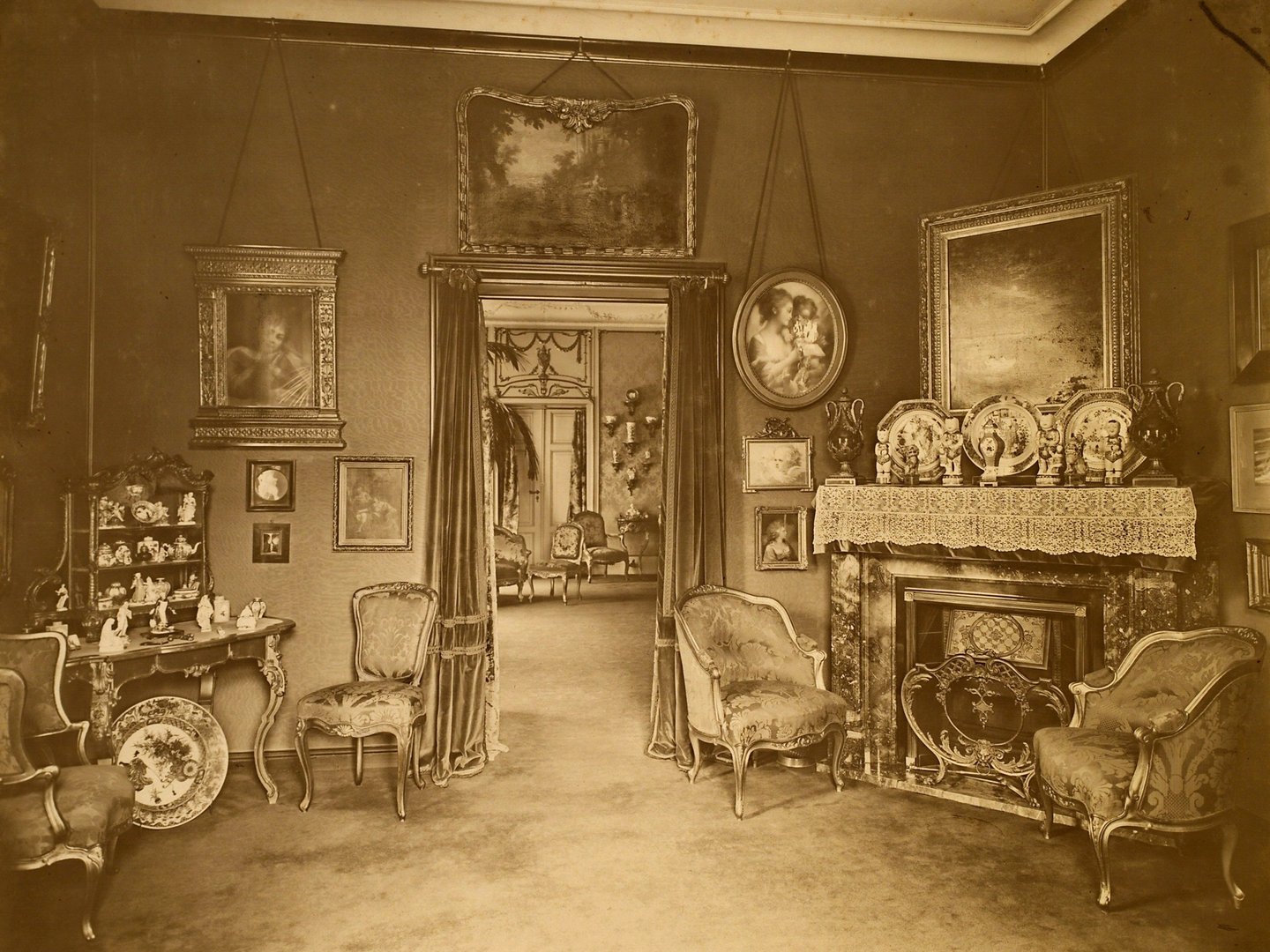
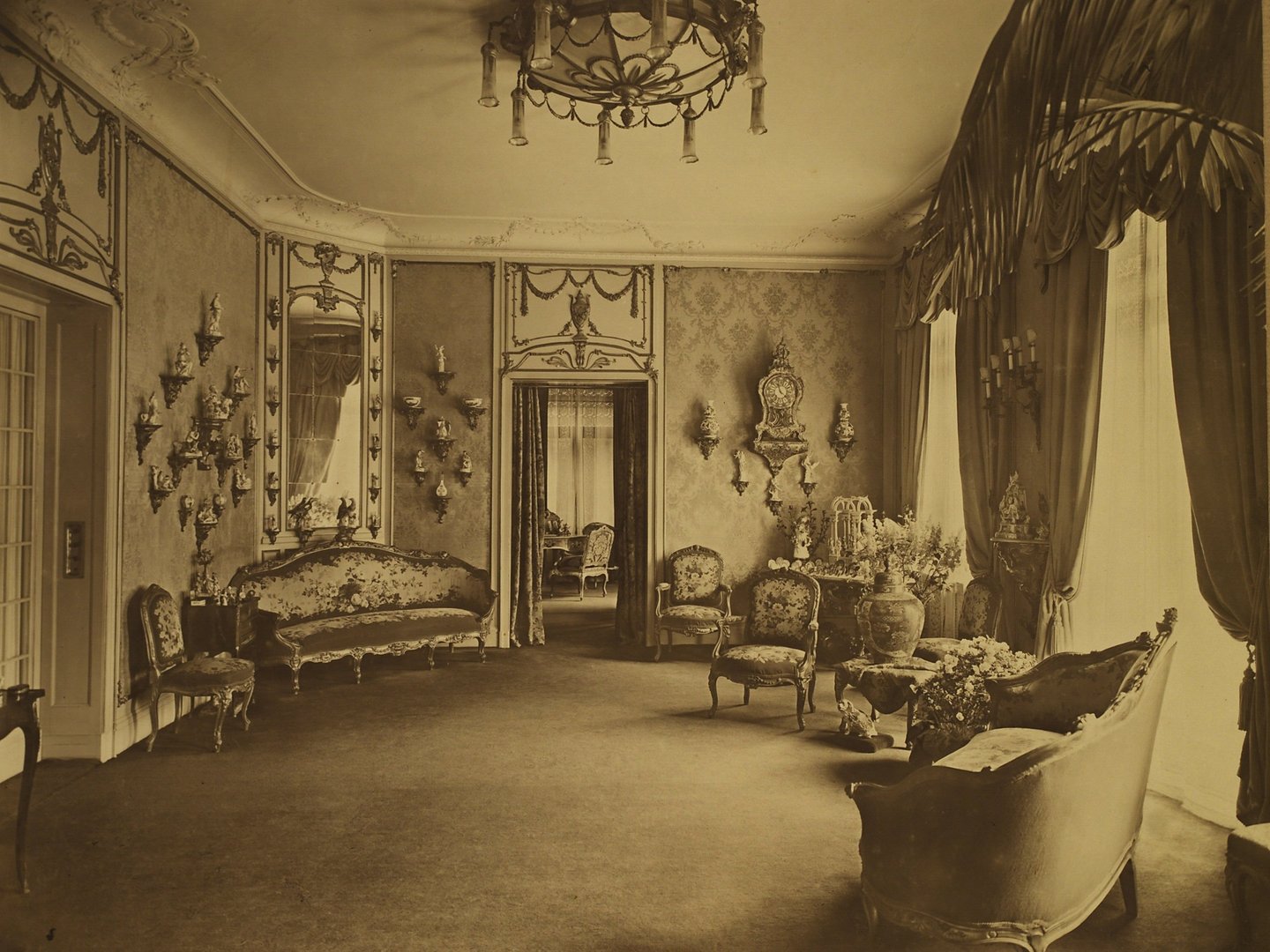
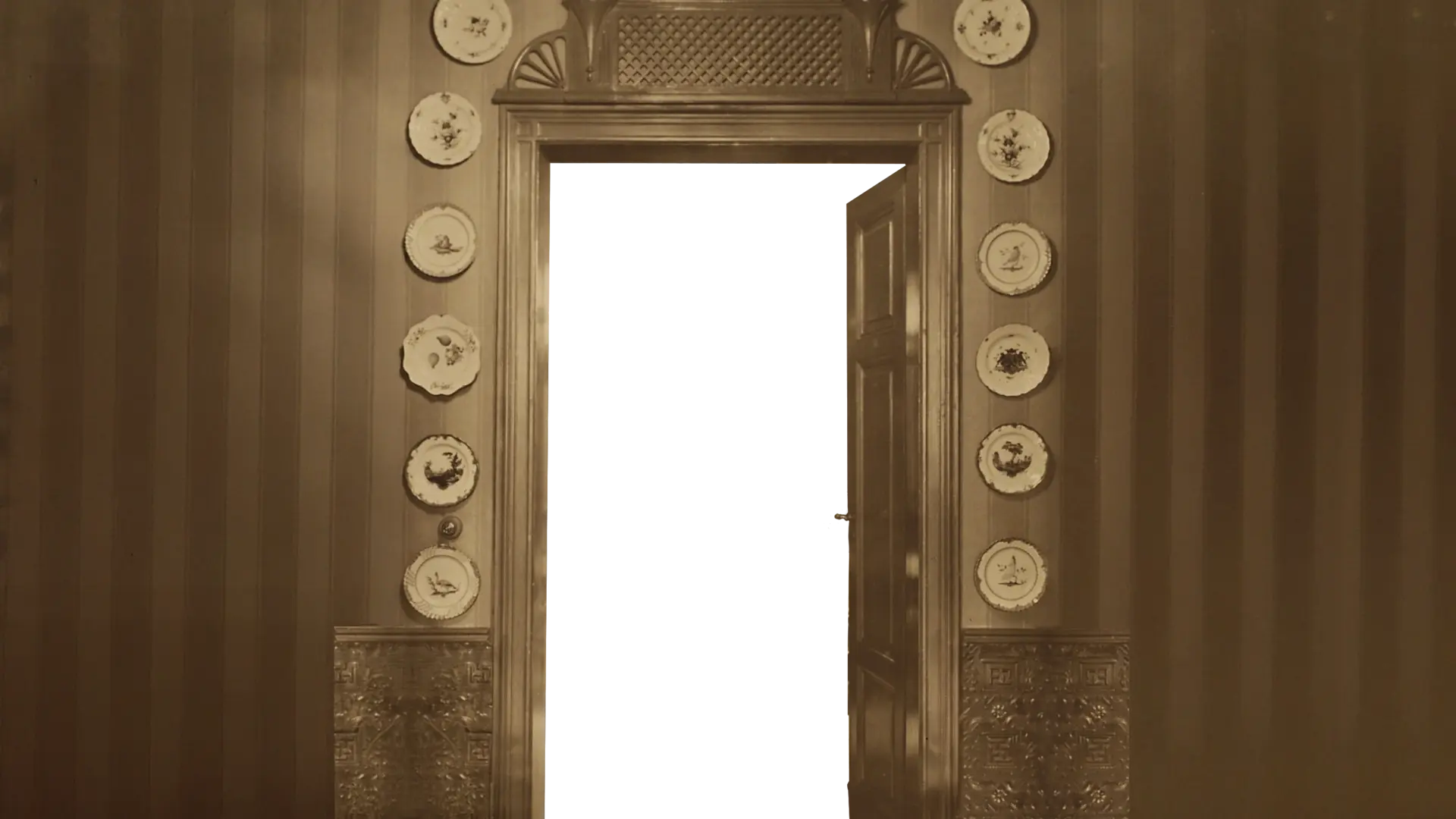
[…] an […] antiques dealer came almost daily and brought something to them, porcelain, furniture, and art. They bought with stirring delight and soon every room of the house was a small museum.

— Victor von Klemperer: Erinnerungen, S. 37, Leo Baeck Institute, Jerusalem

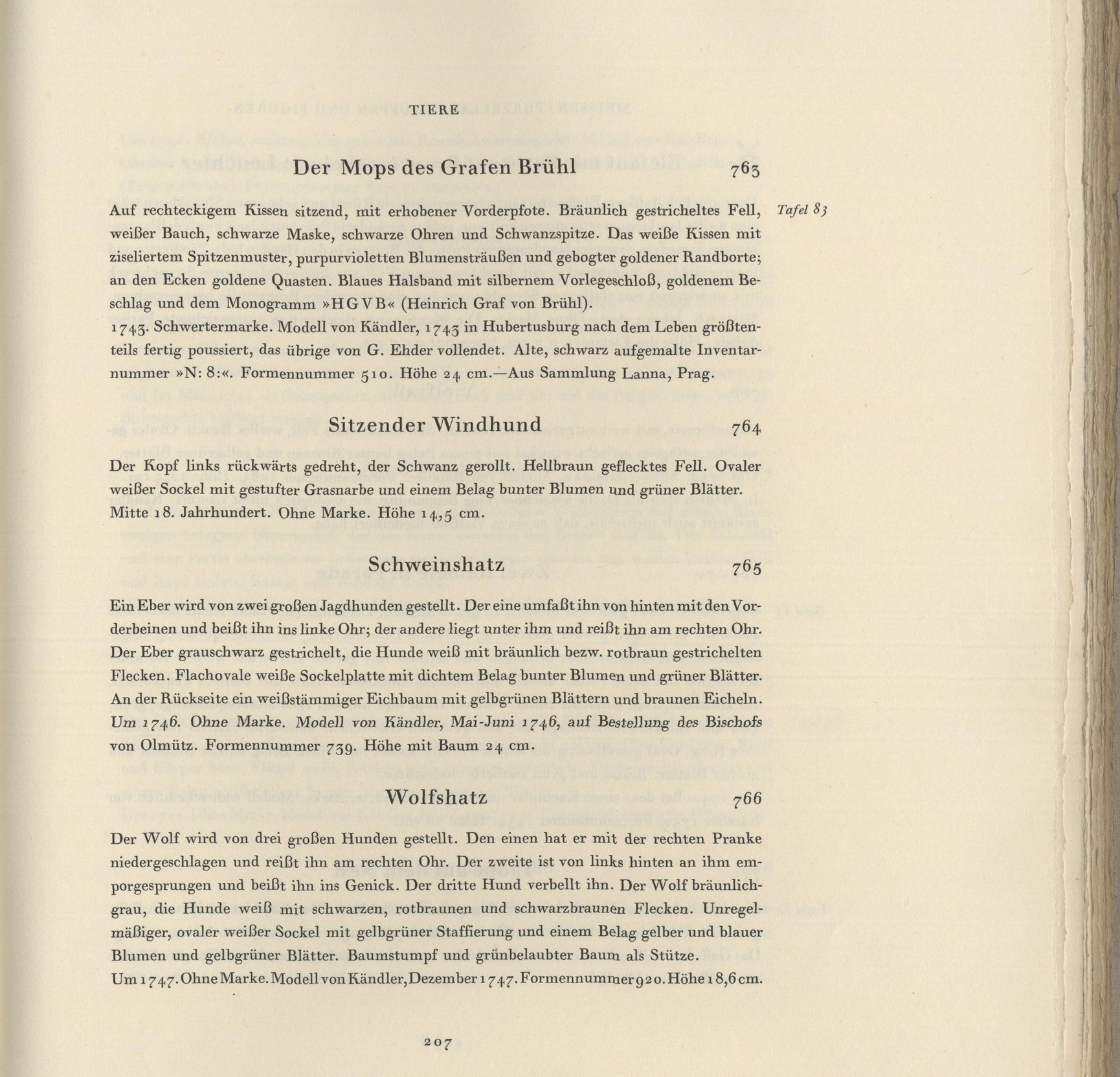
The collection was so enormous, that Gustav von Klemper hired an art historian to catalogue it. 

The resulting catalogue containts descriptions and photos of more than 800 pieces of porcelain and is over three hundred pages long.

Death of the Elder Klemperers

Gustav von Klemper died suddenly in his bank in 1926. His wife Charlotte joined him eight years later after a brief illness. Both were interred in the Neuer Isrealitischer Friedhof in Dresden.

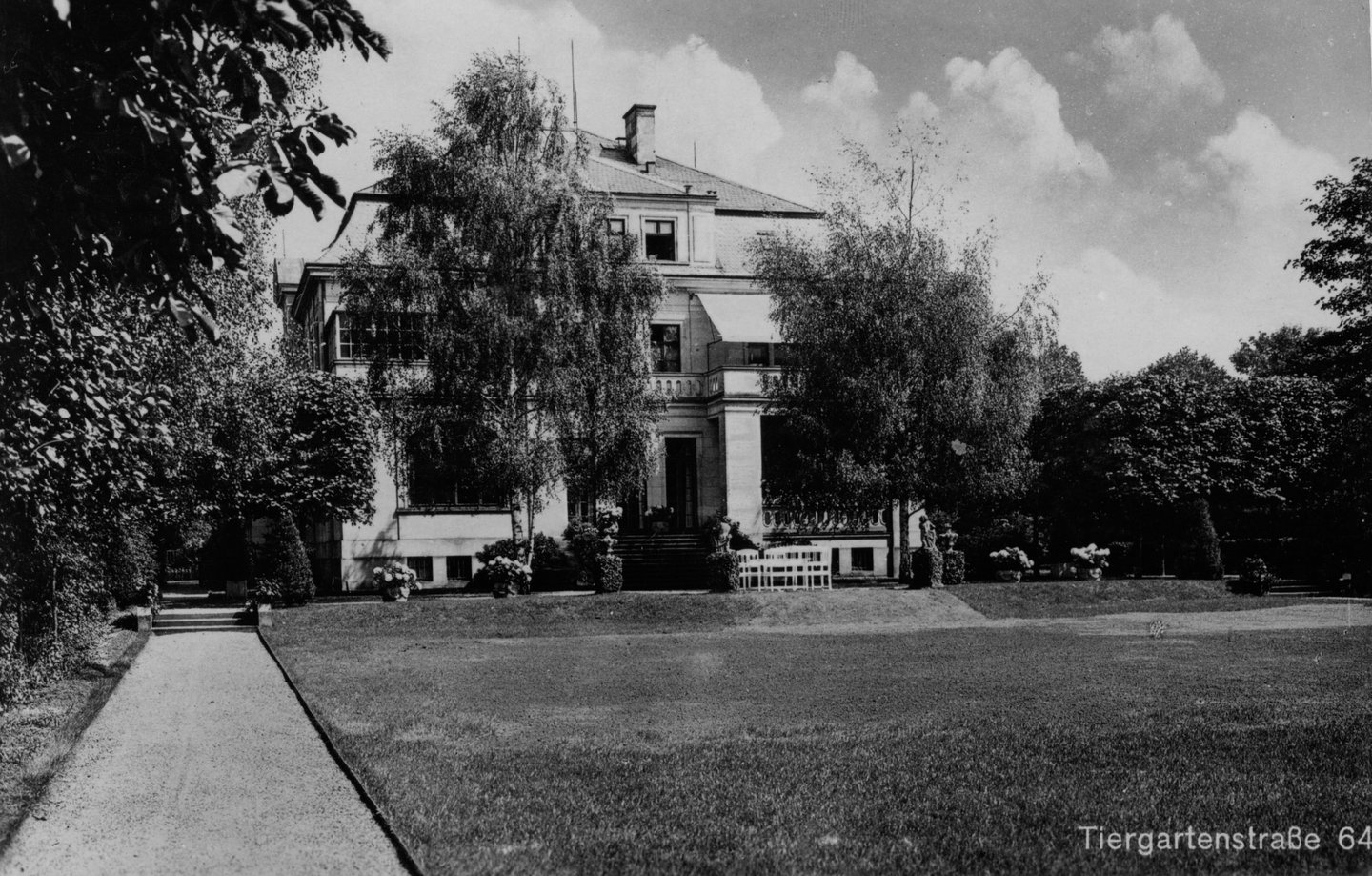
The collection was inherited by their three sons and ended up almost complete at the house of the eldest son Victor on Tiergartenstraße 64.


Von Klemperer Family Portrait

Victor and Sophie

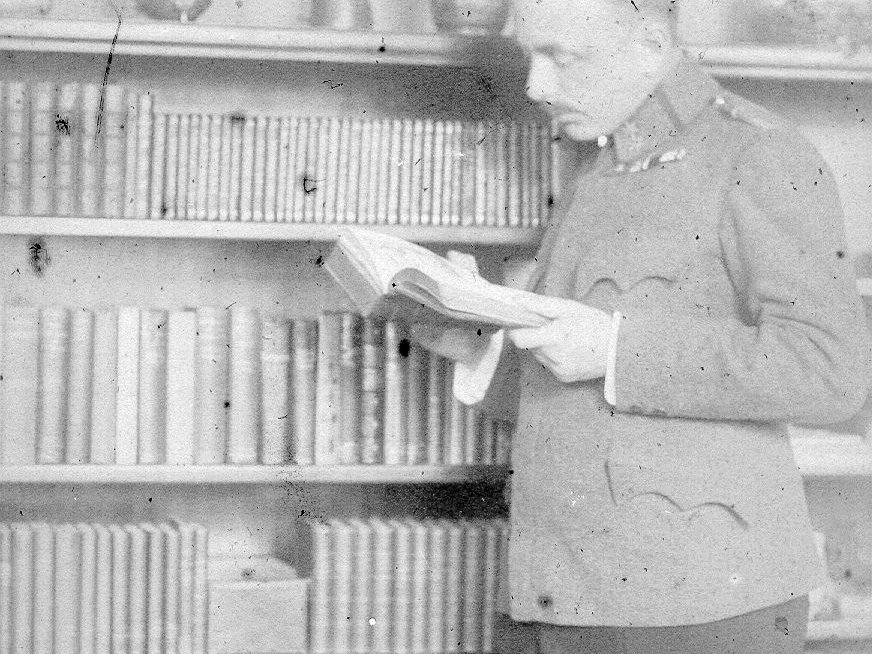
Victor described life in the von Klemperer family in his memoirs. Besides his position at the Dresdner Bank, he was also involved in the supervisory board of many corporations and the society for the promotion of the Dresden Technical College. 

He too collected with a passion. His collection began with valuable books and early printings — called incunabula — and later spanned paintings, graphic art, and furniture. 

Victor lived in a mansion on Tiergartenstraße 64 together with his wife Sophie and their four children: Filotte, Peter, Gustl and Thea. This house too was filled with a remarkable collection over the decades.

The Theft of the Klemperer Collection

With the NSDAP assuming power, the life of Jewish people was obstructed by a constant stream of regulations. They were robbed, persecuted, and murdered

The "extraction of cultural artifacts caused by NS persecution" encompassed not only valuable paintings. Every possession was robbed — clothing, furniture, books.

The Klemperer's collection was also confiscated and remained in Germany, while the three brothers left the country with their families.

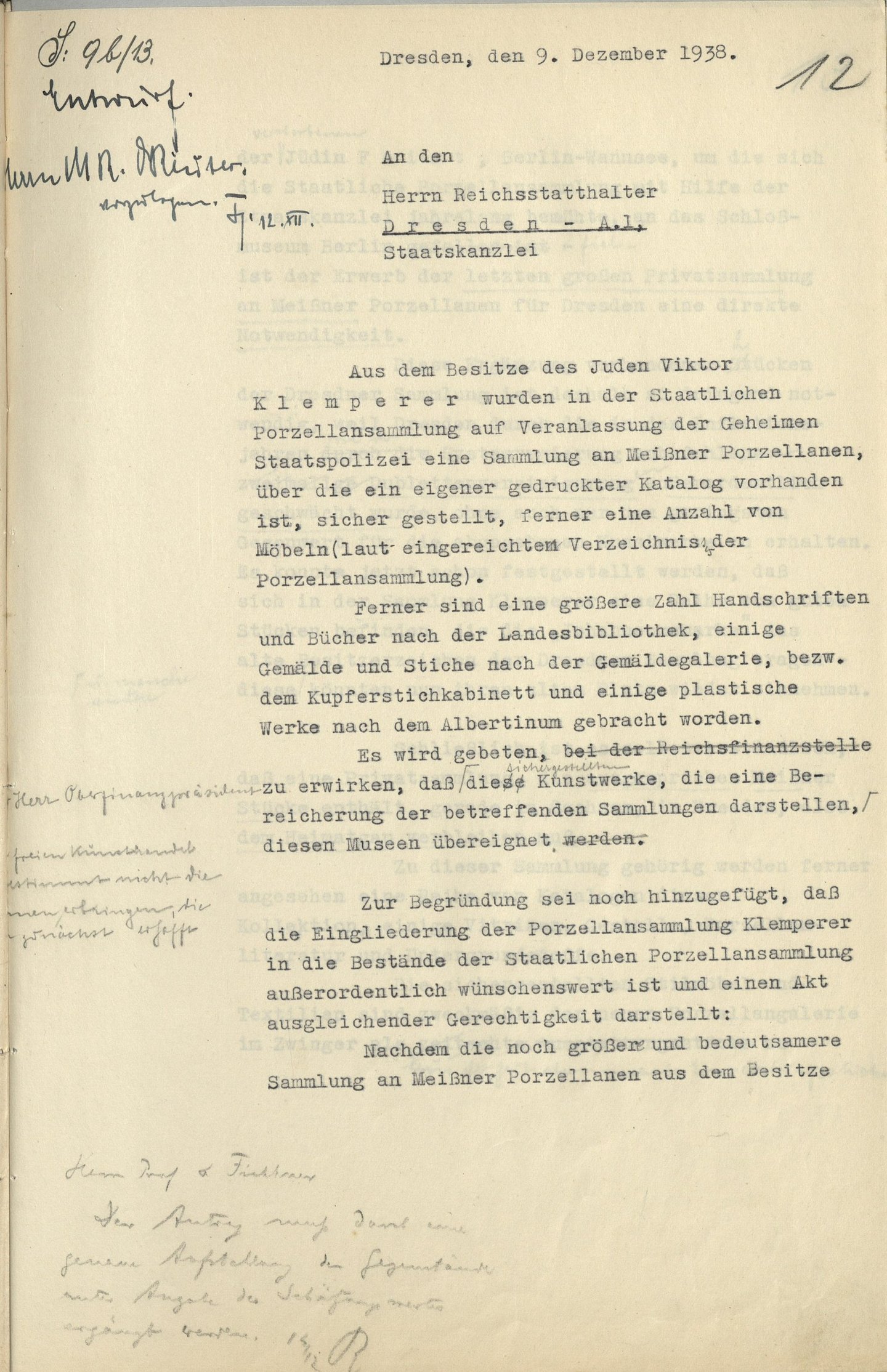
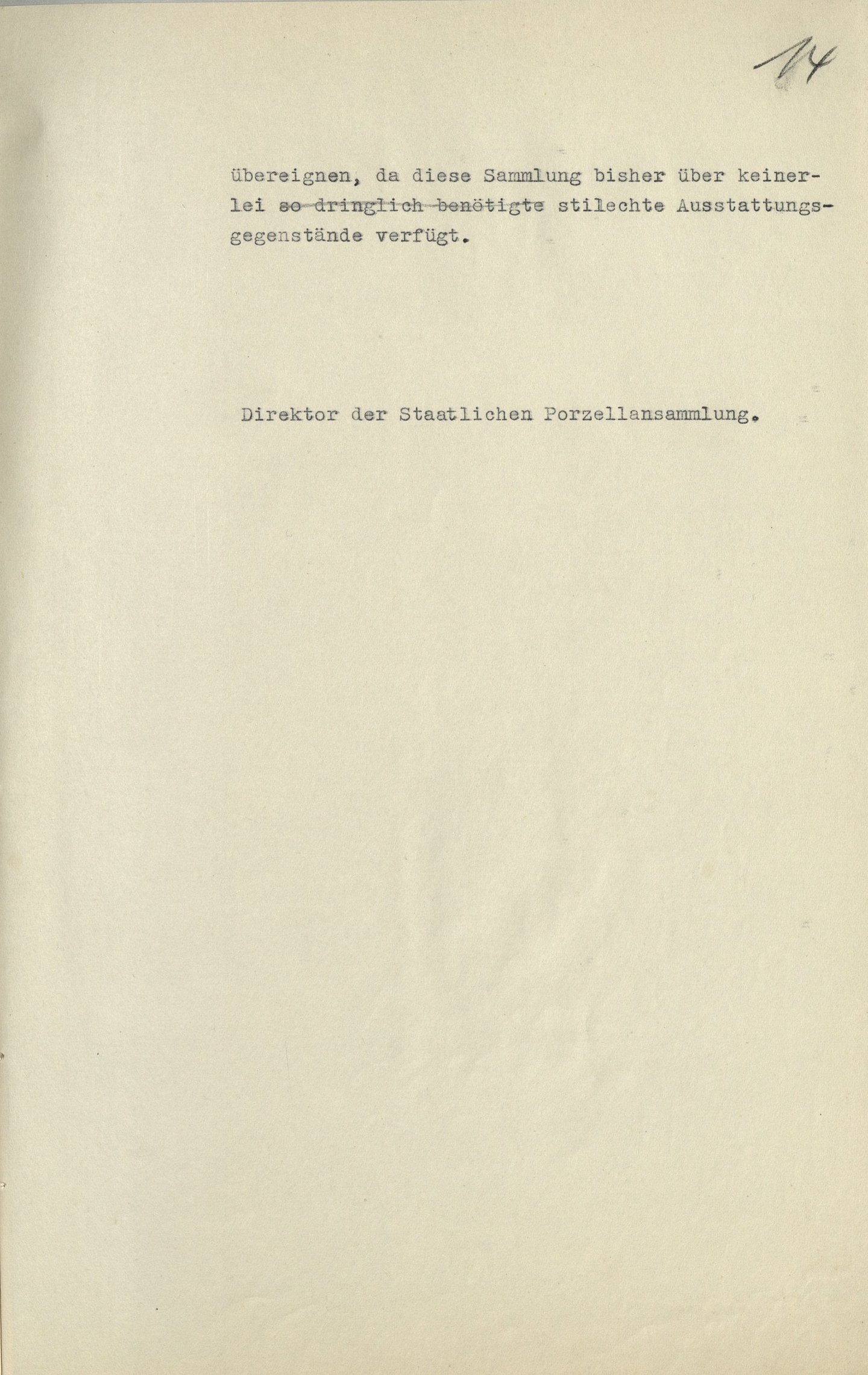
The text of this file stems from Fritz Fitchner, who was the director of the Dresden Porcelain Collection at the time. 

In it, he approaches the Reichsstatthalter with a plea to transfer the Klemperer collection, which had been seized by the Gestapo, to his museum. He claims this was necessary to close gaps in the collection. 

The three brothers, who had fled to England and South Africa in the years between 1937 and 1939, unsuccessfully attempted to take action against the seizure.


11th Decree to the Reich Citizenship Law

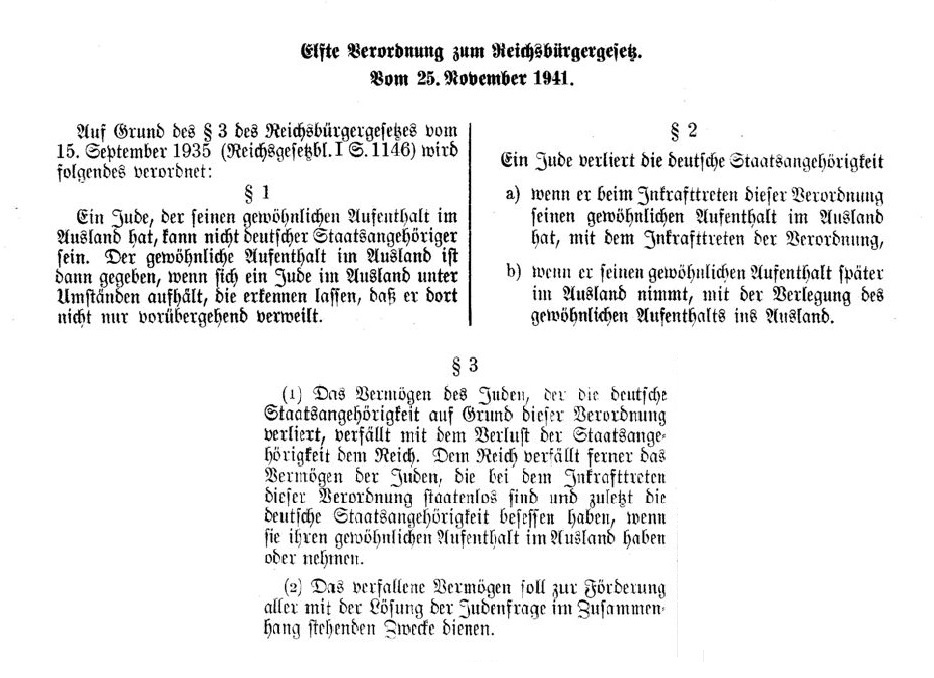
In 1941, §1 and §2 of the 11th decree to the Reich Citizenship Law were used to revoke the citizenship of German Jews living abroad and their dispossession signed into law. 

The Klemperer sons lost their citizenship and their remaining possessions in the German Reich permanently and legally went to the NS state.

In 1943, Adolf Hitler personally transferred the family's porcelain to the museum.

Whereabouts During the War

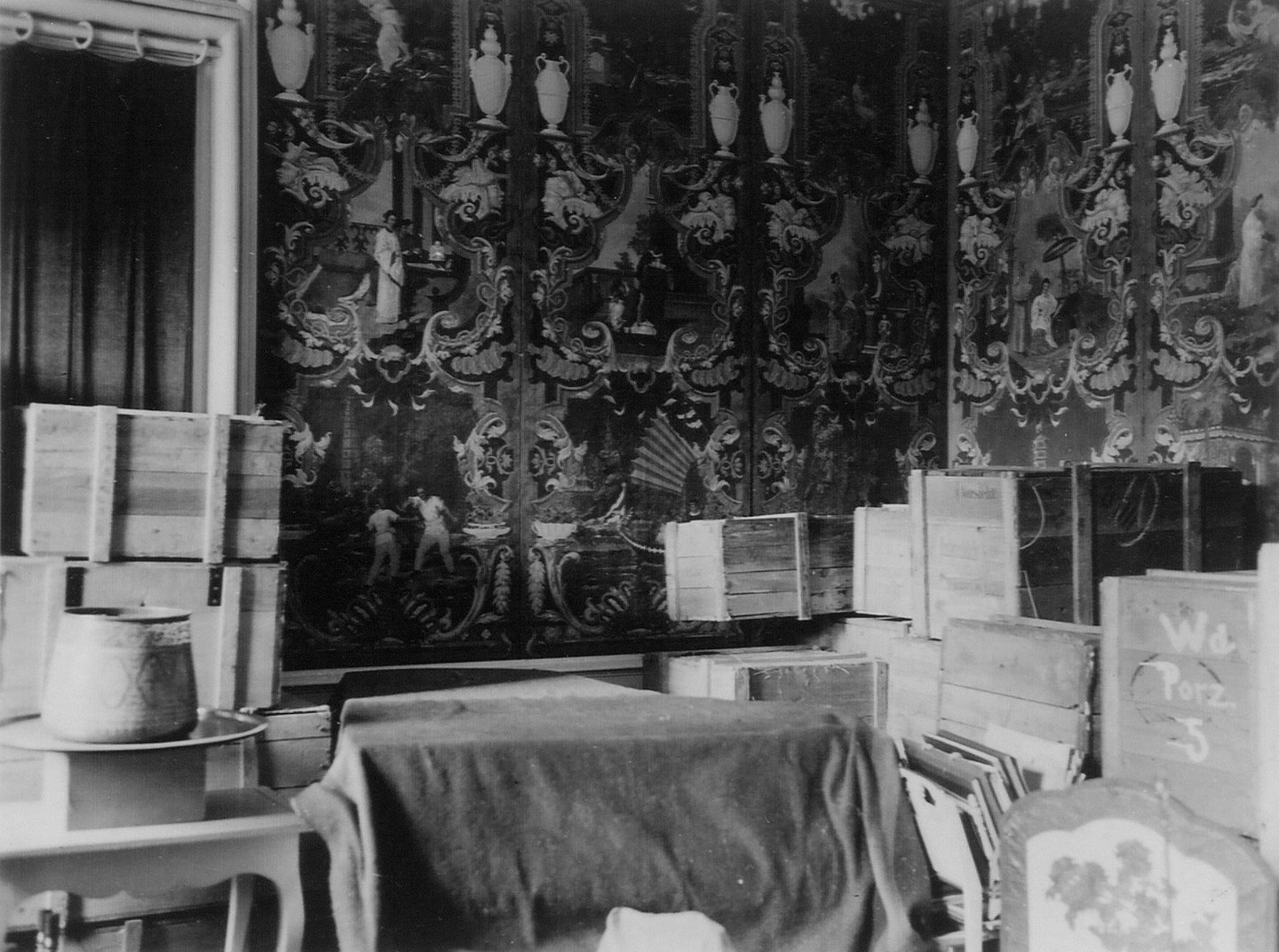
When the war had arrived in Germany in the mid-1940s, there was an attempt to protect the collections. Many objects were boxed, stored, and transported to different locations.

Return of the Klemperer Collection

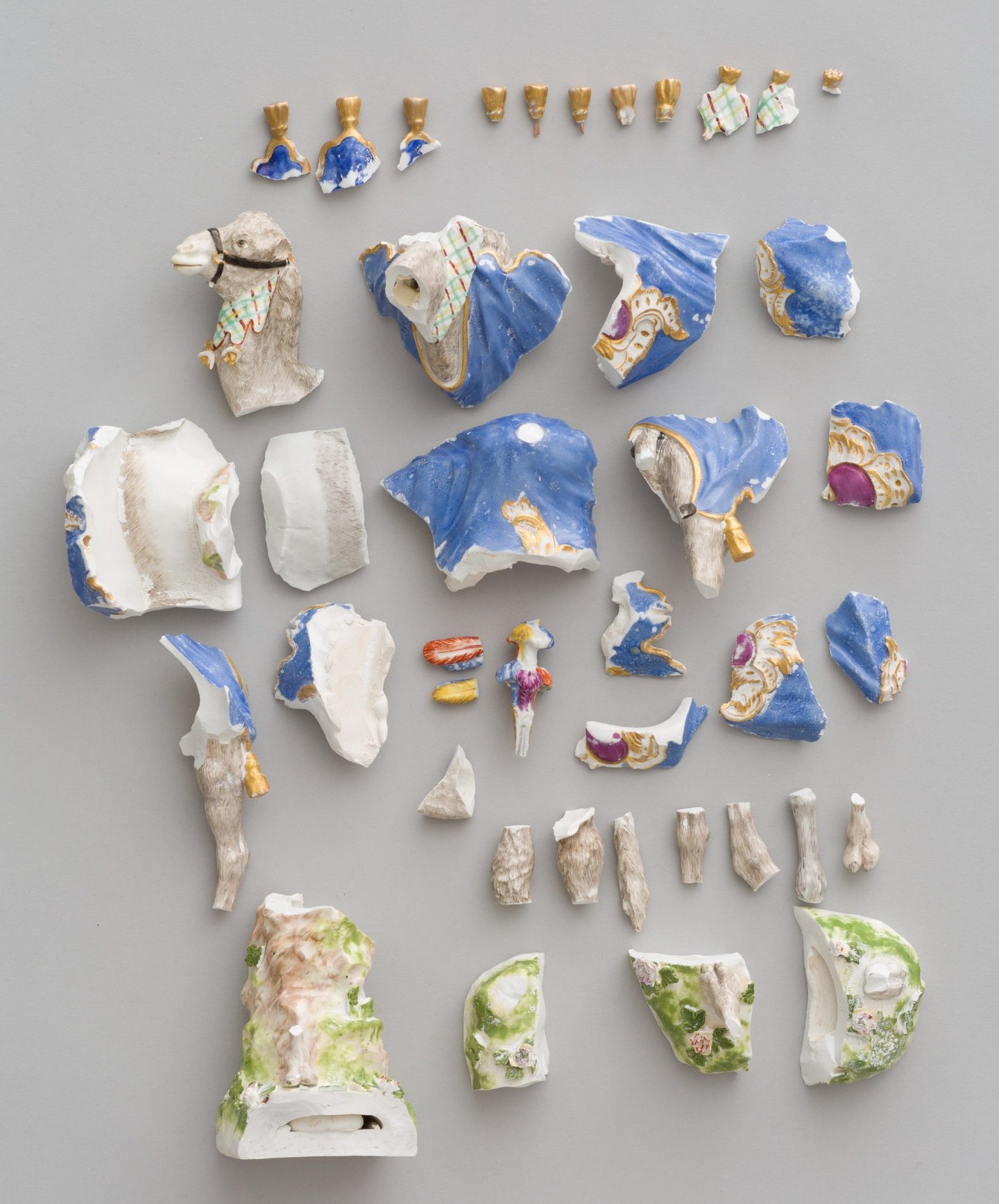
What remains of the important Klemperer collection after the Second World War is mostly shards, but also some figurines as well as the catalogue. Much of it was spread out all over Saxony, even more was taken to the Soviet Union.

Provenienzforschung

To be able to uncover the whereabouts and origins of collection objects, museums, archives, and libraries do provenance research

Questions often arise about the proper handling of former and current property, for which fair solutions are being sought.

In the 1940s and 50s the children and grand-children of Gustav von Klemperer had already made requests via their lawyers to the Saxon government to return their collection. 

Saxony was part of the Soviet occupied territory. However, there were no laws at the time that could have been used to justify restitution.

After the reunification of Germany, due to continuing inquiries by the Klemperers, the research regarding the wherearbouts of their collection within the Porcelain Collection was intensified.


Gustav von Klemperer's catalogue with its countless descriptions and photos was an important source. Photos of the interiors of the houses and recollections of descendants also played a central role.

Restitution to Klemperers First Part

Thereby, 86 largely intact figurines and pieces of tableware were restituted in 1991 to the descendants of the von Klemperer family. Yet, there still lay porcelain shards in the Porcelain Collection's deposit.


Restitution to Klemperers Second Part

From 2006 on, the entire deposit of the Porcelain Collection, even the shards, was closely searched — successfully. Old photo negatives, trial prints and archive files revealed shards that belong to hundreds of Klemperer-porcelains. 

In April of 2010, 277 more pieces of porcelain, some in fragments, were restituted.

517

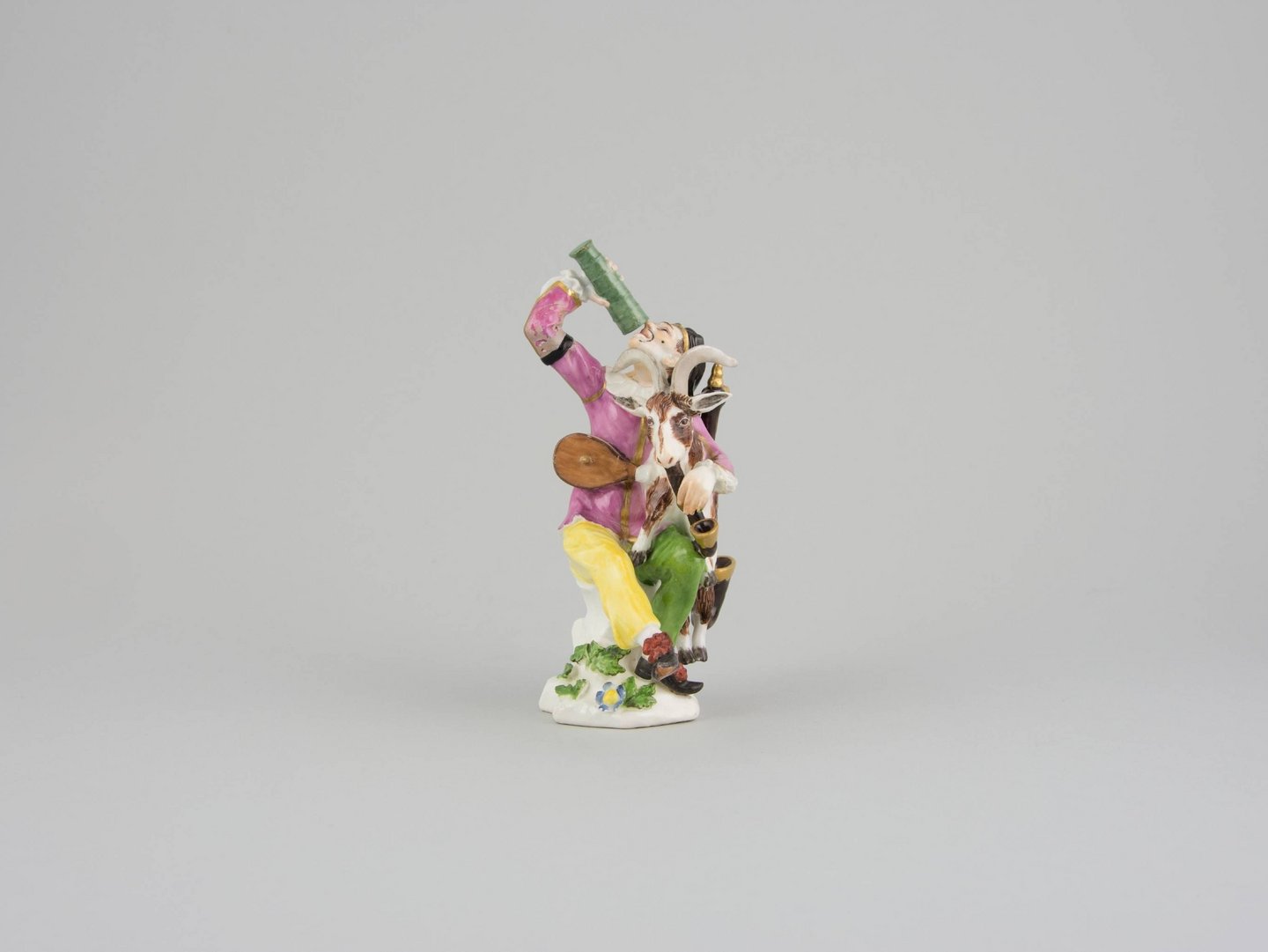
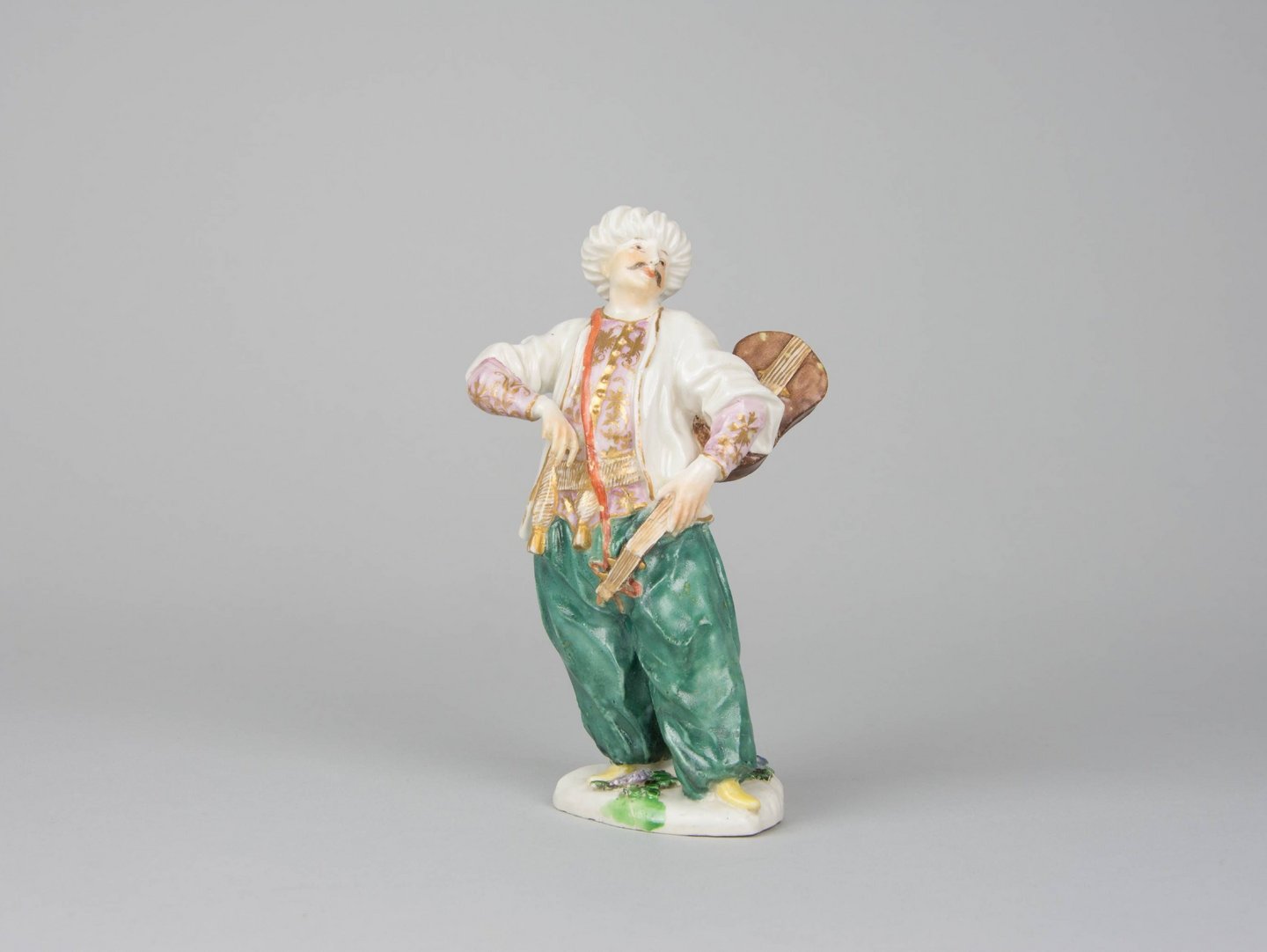
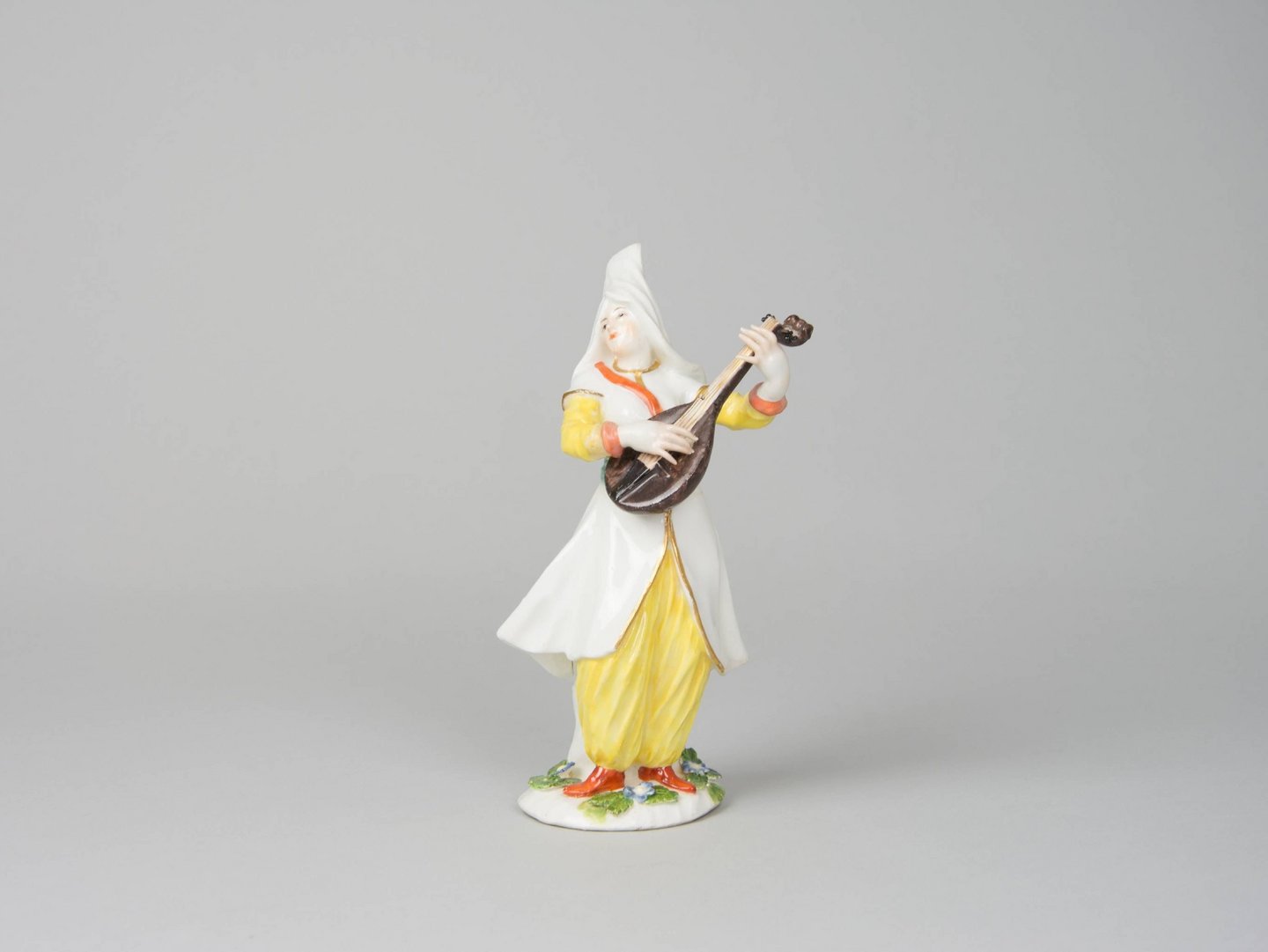
The Klemperer heirs gifted 63 of them back to the Porcelain Collection.

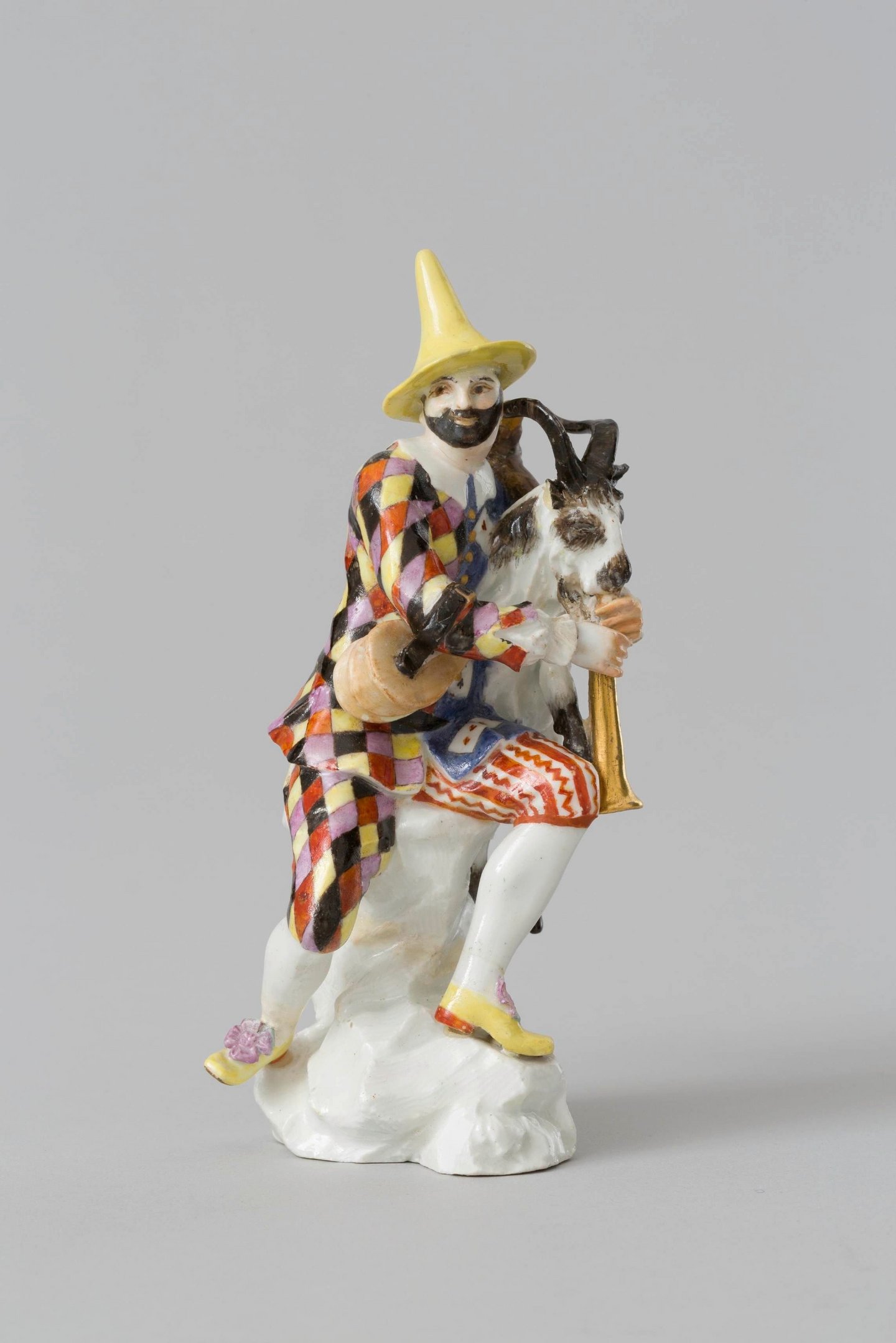
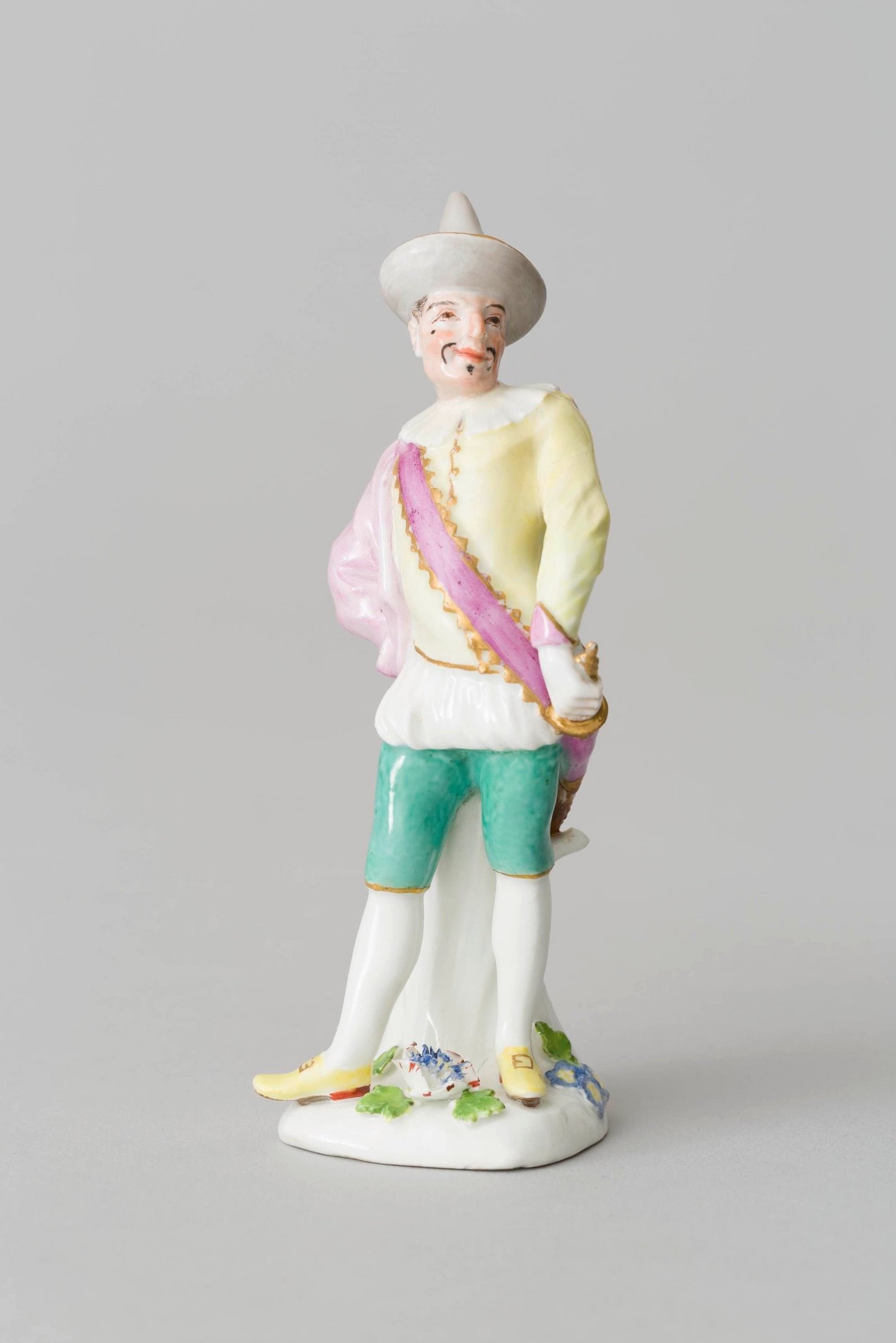
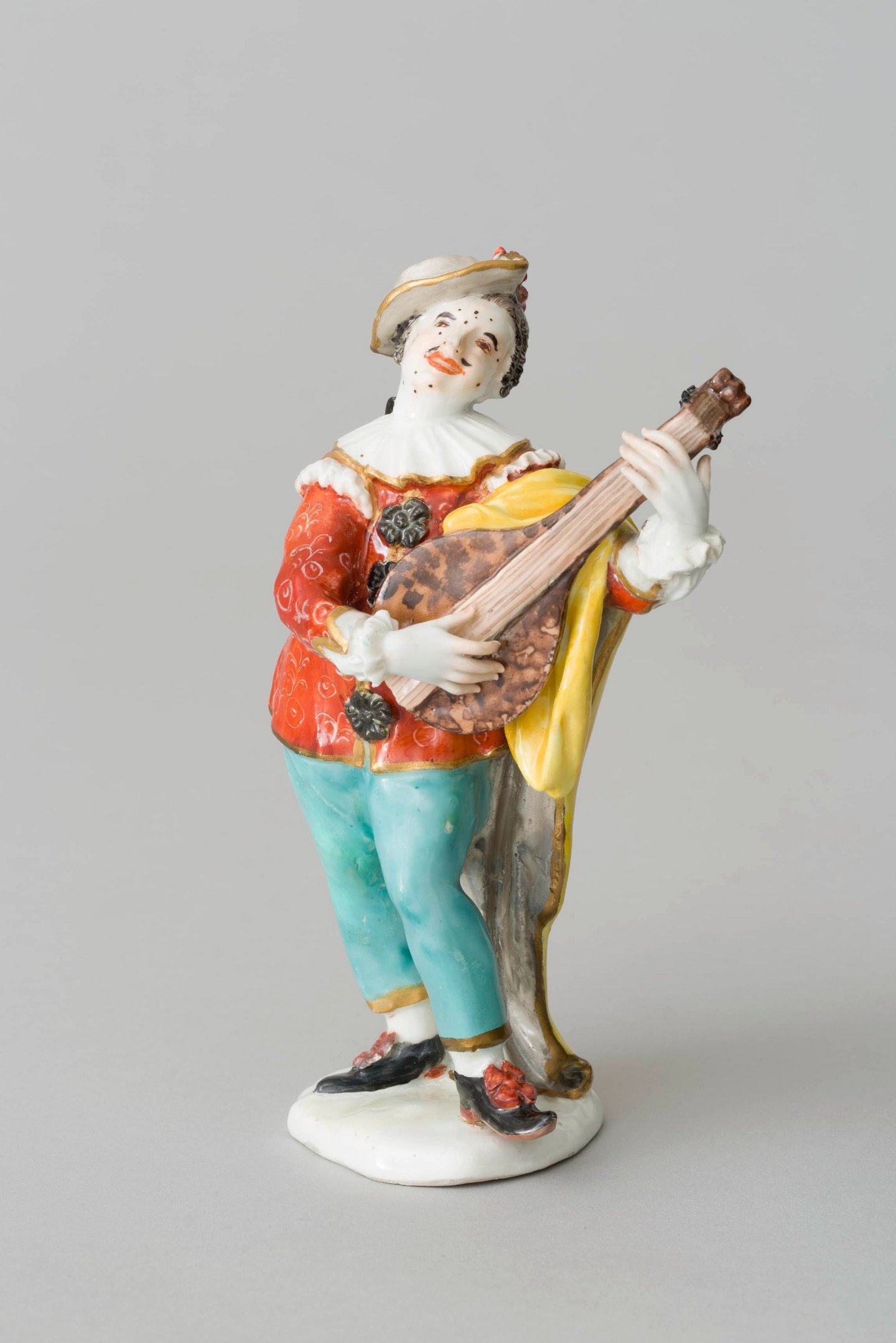
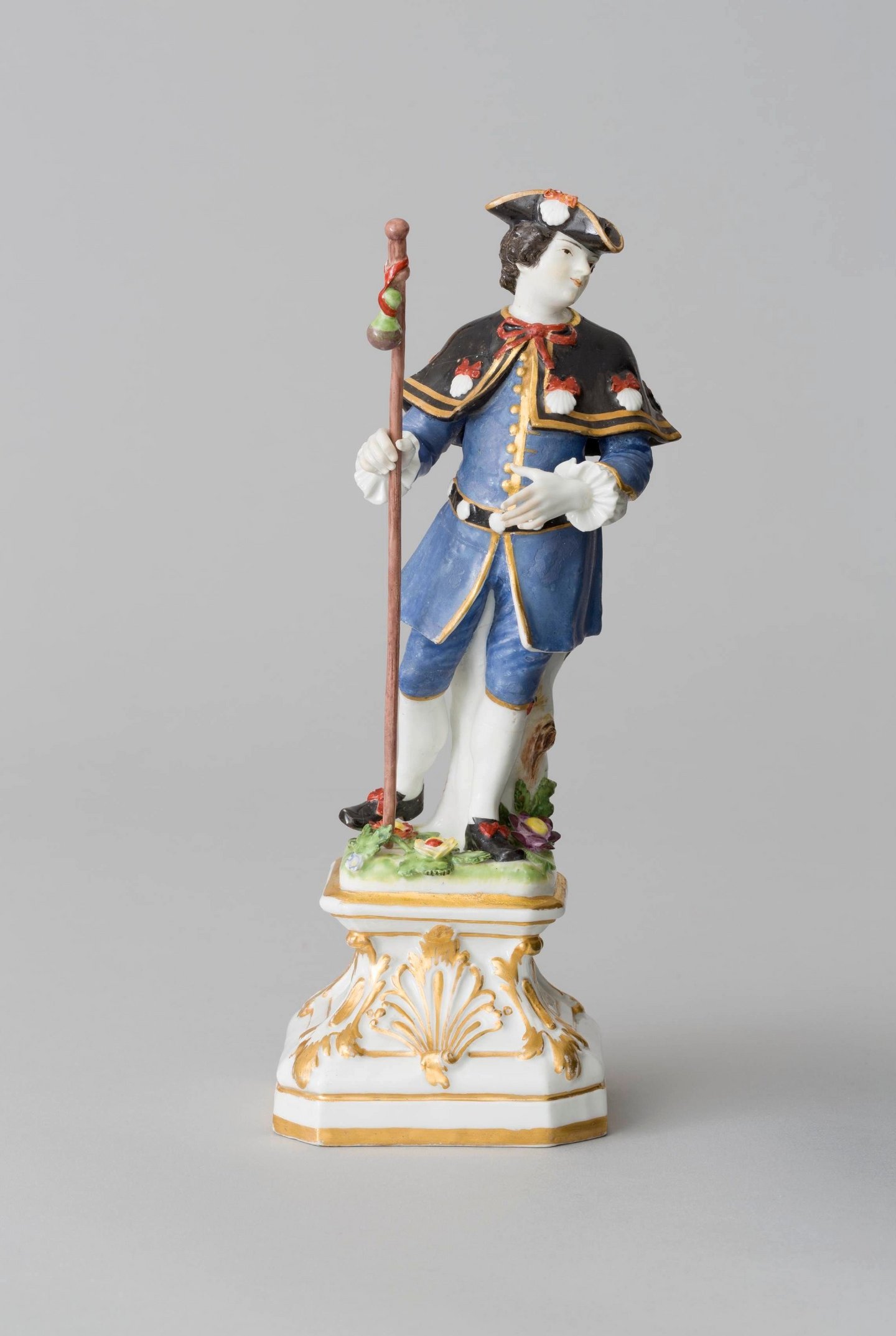
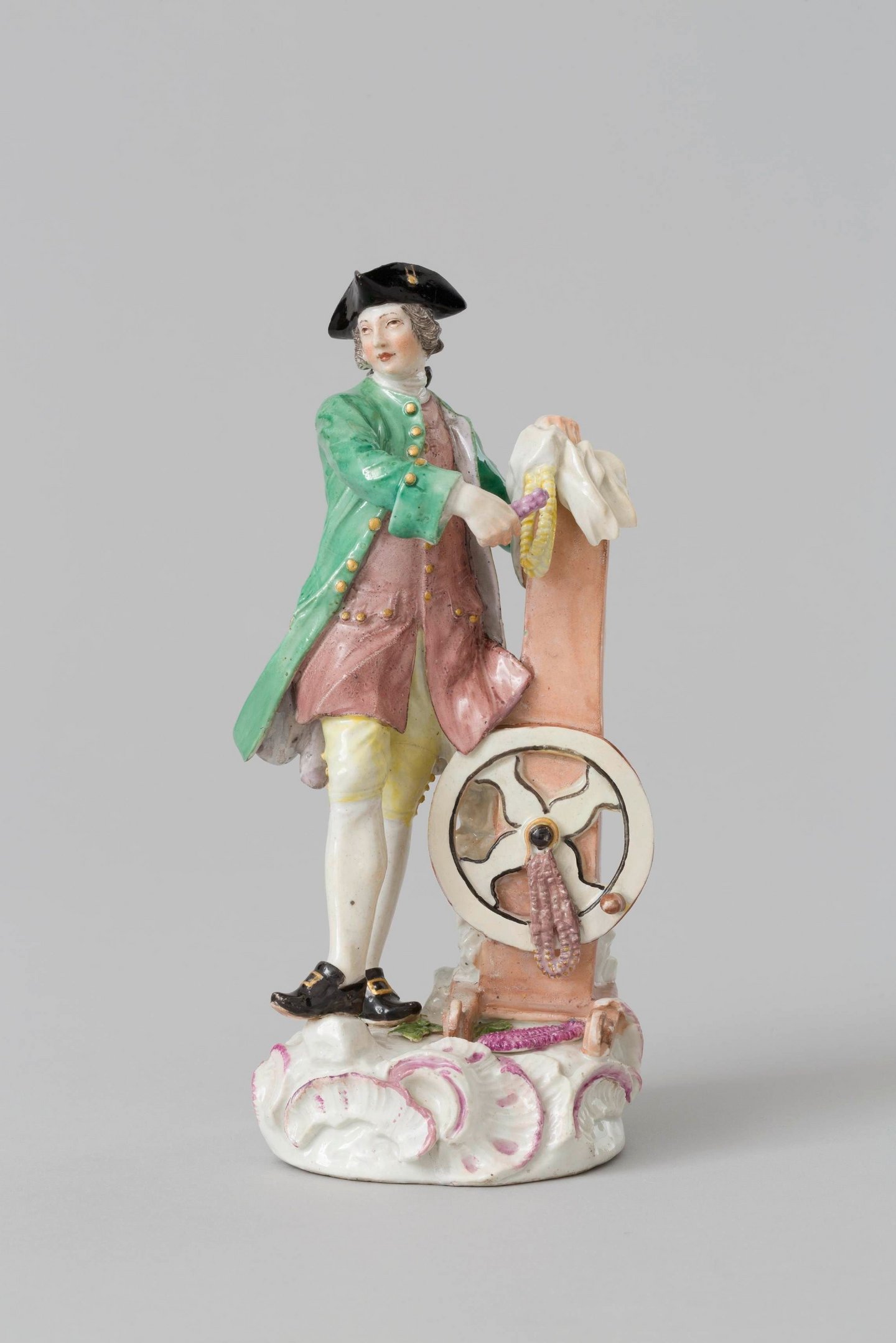
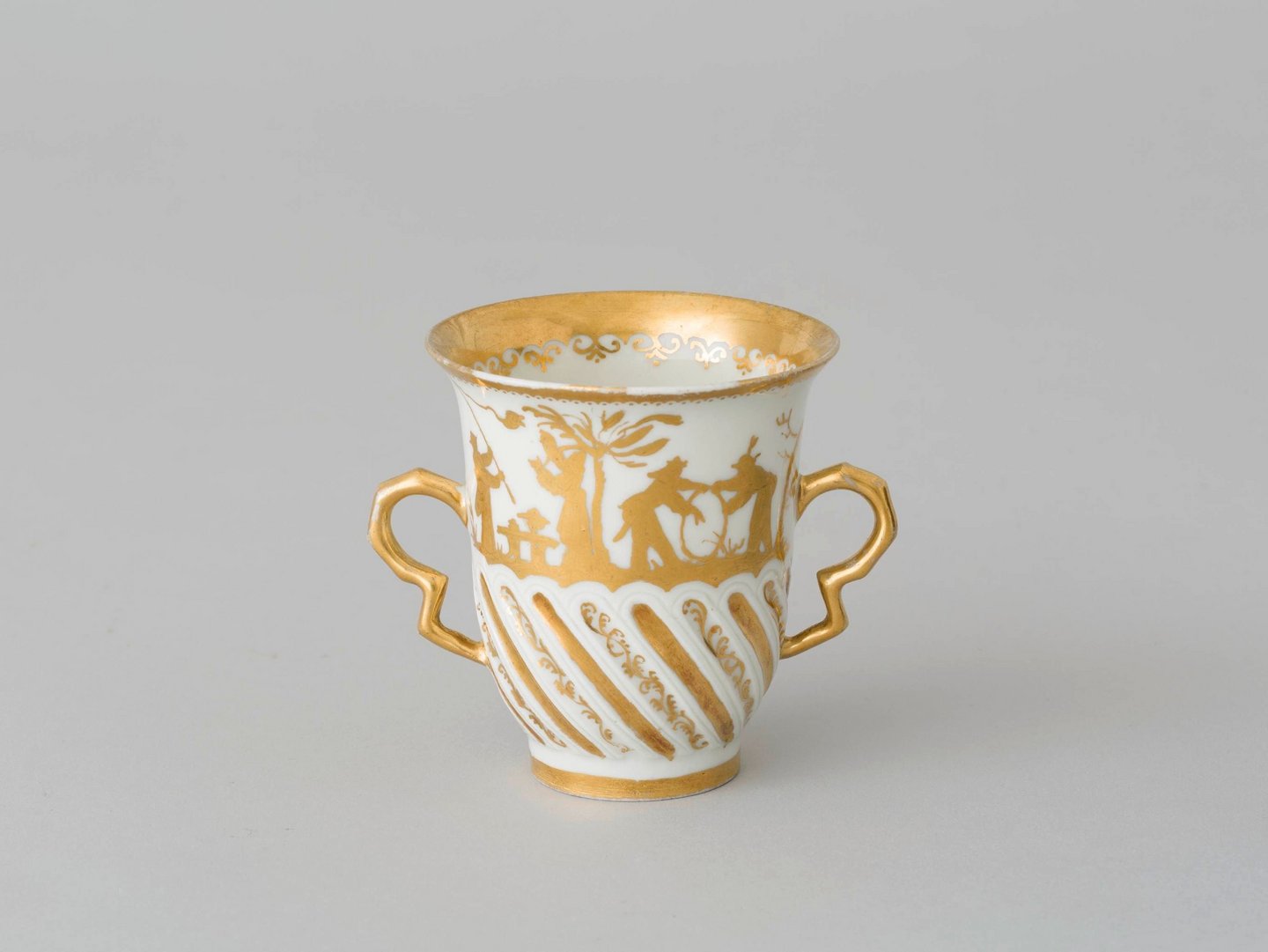
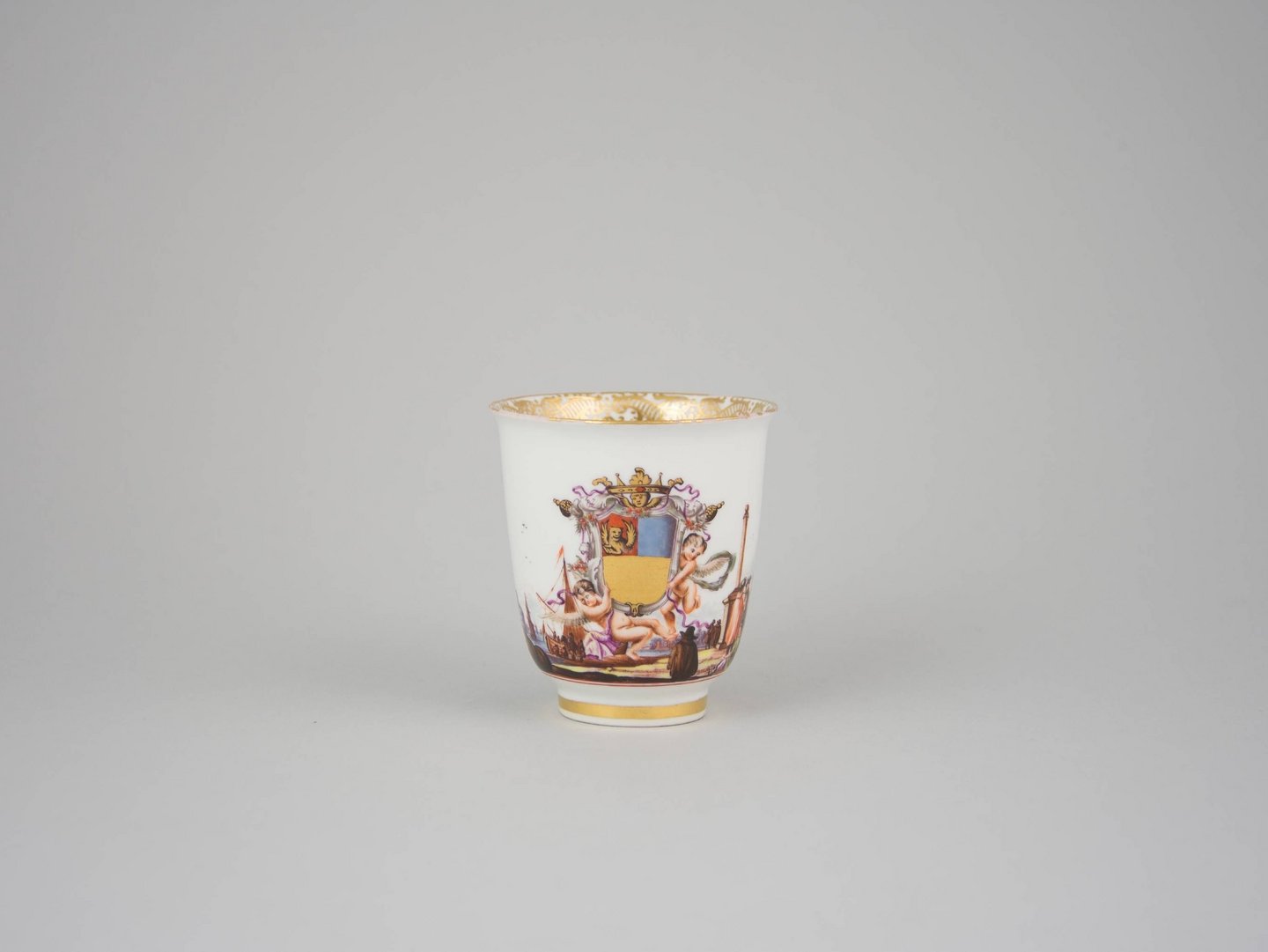
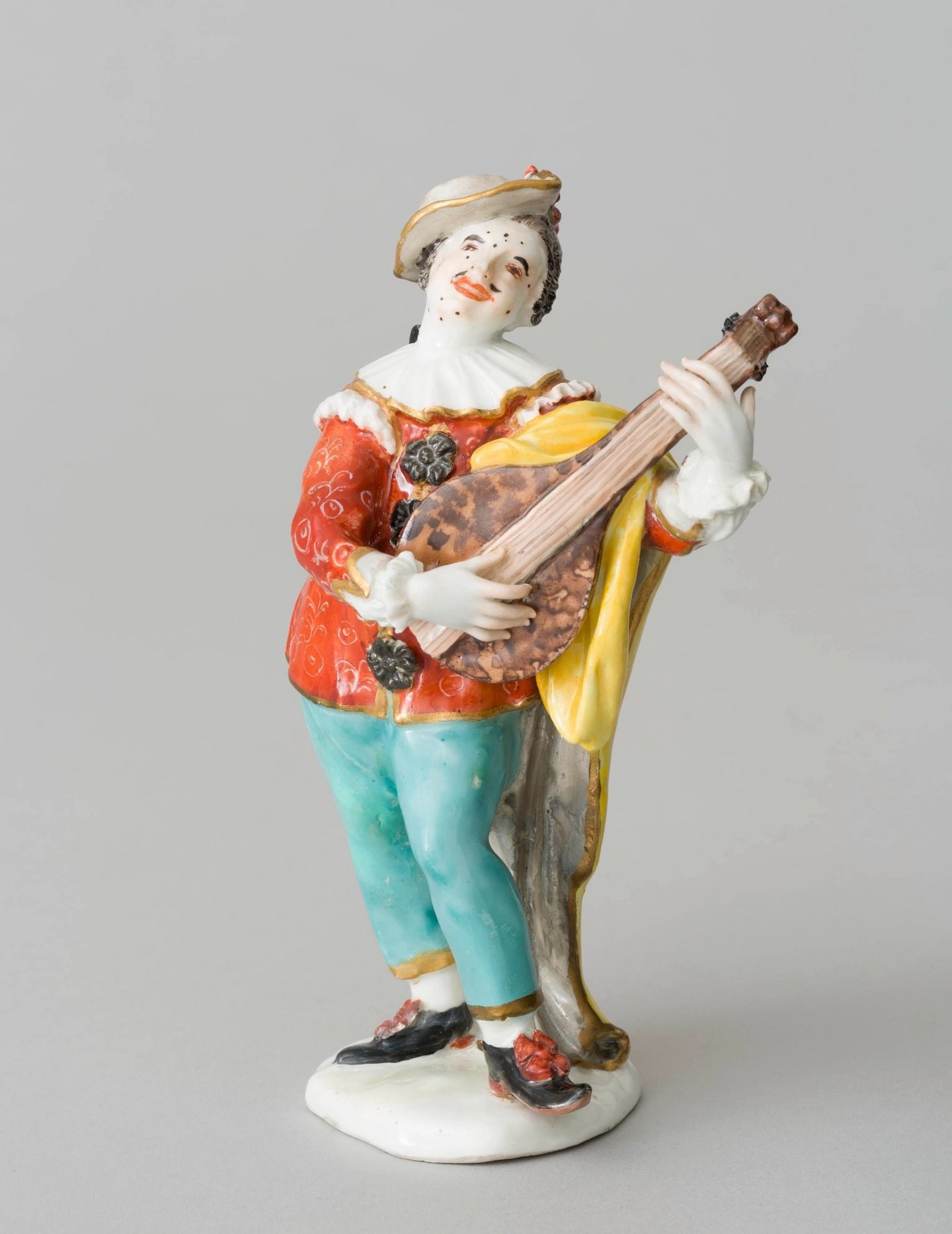
Today you can see the following 22 pieces of porcelain at the Dresden Porcelain Collection: